Key Takeaways
- A check engine light doesn’t always mean an expensive repair — sometimes it’s as simple as a loose gas cap
- Ignoring the light can turn a small fix into a costly engine problem, especially in Kamloops winters
- A flashing check engine light means pull over safely and call a shop immediately
- Proper diagnostics require a professional scan tool — not just the code reader from the parts store
- Most check engine light issues we see at Brock Auto are under $500 to repair when caught early
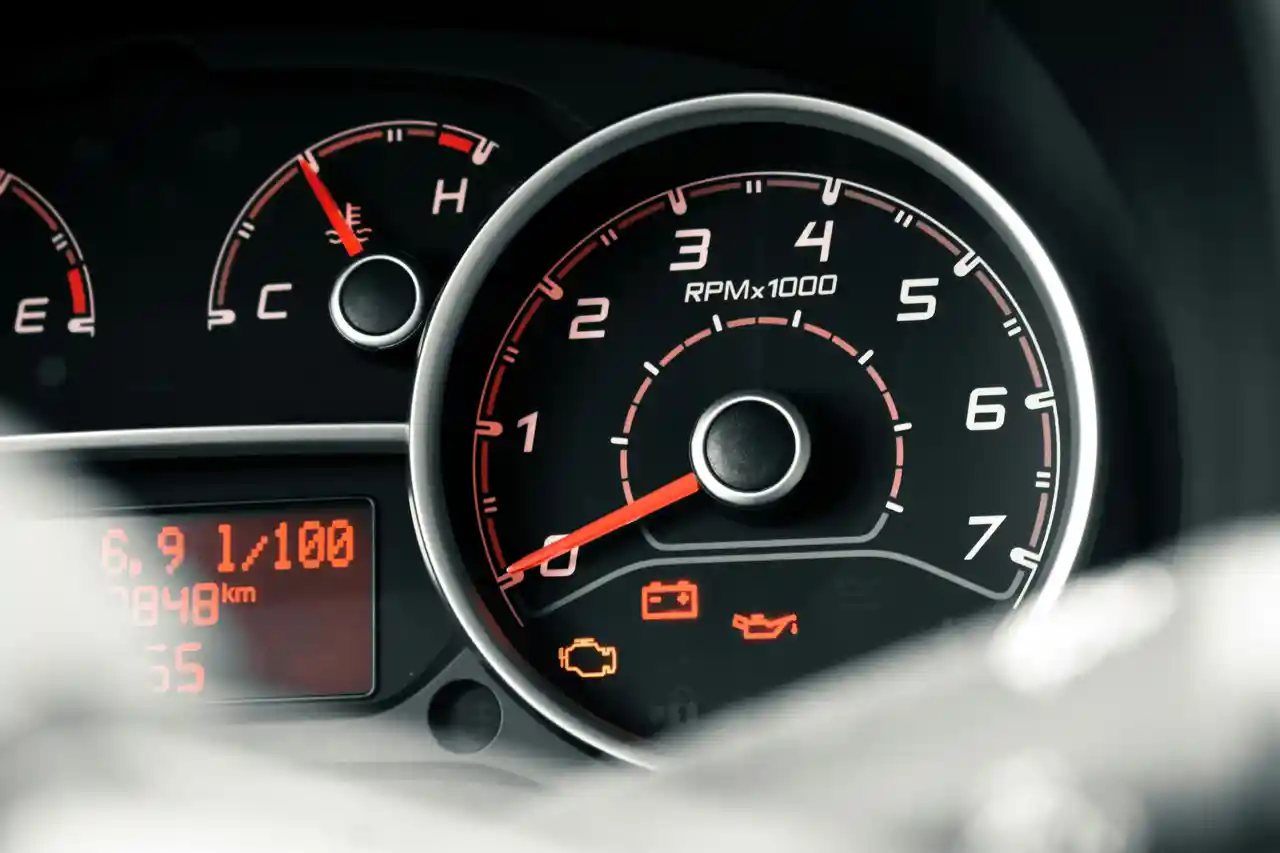
That little orange light just came on, and now you’re wondering if your car is about to leave you stranded on the Yellowhead. Here’s the truth about your check engine light in Kamloops: most of the time, it’s not a catastrophic failure. But it’s also not something you should ignore. At Brock Auto Centre, we diagnose check engine lights every single day, and after 15 years on Tranquille Road, I’ve seen patterns in what triggers them — especially with our BC Interior driving conditions.
Let me walk you through the seven most common causes we see and help you understand when to worry and when to breathe easy.
What Your Check Engine Light Actually Means
Your check engine light is connected to your vehicle’s onboard diagnostics system (OBD-II). When a sensor detects something outside normal parameters, it stores a trouble code and turns on that light. The key word here is “parameters” — it doesn’t always mean something is broken. Sometimes it means something is starting to drift out of spec.
Steady Light vs. Flashing Light
A steady check engine light means something needs attention, but you can likely drive to the shop safely. A flashing check engine light is different — that’s telling you there’s an active misfire that could damage your catalytic converter. If your light is flashing, pull over when it’s safe and give us a call.
According to Transport Canada’s vehicle safety guidelines, addressing warning lights promptly is essential for maintaining roadworthy vehicles and preventing secondary damage.
7 Common Check Engine Light Causes We See Weekly
1. Loose or Faulty Gas Cap
I know it sounds too simple, but a loose gas cap is one of the most common triggers. Your fuel system is sealed, and if the cap isn’t tight, the evaporative emission system detects a leak. Before you panic, check that your gas cap clicks when you tighten it. If the light doesn’t clear after a few driving cycles, the cap seal may be cracked and need replacing — usually under $30.
2. Oxygen Sensor Failure
Your O2 sensors measure how much unburned oxygen is in your exhaust. When they fail, your engine can’t optimize the fuel-air mixture. This affects fuel economy and can damage your catalytic converter over time. Most vehicles have 2-4 oxygen sensors, and they typically last 100,000-150,000 km.
3. Catalytic Converter Issues
This is the one people dread because catalytic converters aren’t cheap. The good news? A failing cat is usually caused by something else — like a bad O2 sensor or ignition problem that went unaddressed. Catch the underlying issue early, and you’ll likely save the converter.
4. Mass Airflow Sensor Problems
The MAF sensor measures air entering your engine. When it gets dirty or fails, you’ll notice rough idling, hesitation, or poor fuel economy. Kamloops drivers deal with dust from construction zones and gravel roads, which can contaminate these sensors faster than you’d expect.
5. Spark Plugs and Ignition Coils
Worn spark plugs or failing ignition coils cause misfires, and misfires trigger check engine lights. If your vehicle is shuddering at idle or feels sluggish on acceleration, this is a prime suspect. Most spark plugs need replacing between 50,000-100,000 km depending on the type.
6. EVAP System Leaks
Beyond the gas cap, your evaporative emission system includes lines, valves, and a charcoal canister. Small leaks in any of these components will trigger codes. These can be tricky to track down without proper smoke testing equipment.
7. Thermostat and Coolant Sensor Issues
Your engine needs to reach operating temperature efficiently, especially during Kamloops winters when we see -20°C or colder. A stuck thermostat or faulty coolant temperature sensor will throw codes and can affect your heater performance and fuel economy.
Why a Parts Store Code Read Isn’t Enough
I’ll be straight with you — the free code read at the auto parts store tells you what system triggered the light, not what’s actually wrong. A P0420 code says “catalyst system efficiency below threshold,” but it doesn’t tell you if it’s a failing converter, a bad O2 sensor, an exhaust leak, or a vacuum leak causing the problem.
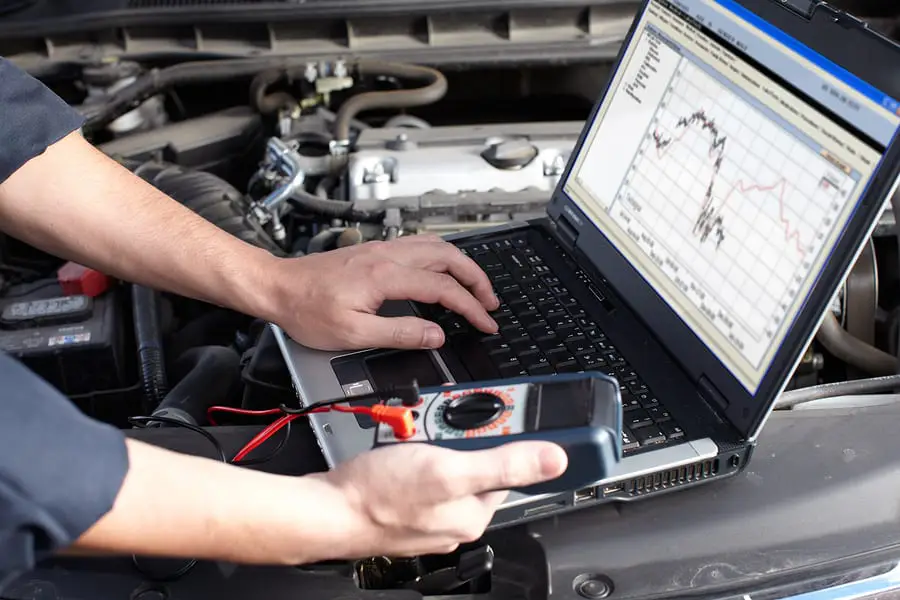
At our engine diagnostics service, we use professional-grade scan tools that show live data, freeze frame information, and manufacturer-specific codes. We can see what conditions existed when the code set and trace the actual root cause. That’s the difference between replacing parts until something works and fixing the right thing the first time.
As BCAA notes in their vehicle maintenance resources, professional diagnostics prevent unnecessary repairs and ensure the actual problem gets addressed.
When to Drive In vs. When to Call for a Tow
If your check engine light is steady and your vehicle is running normally — no strange sounds, no loss of power, no overheating — you can drive to the shop. Book an appointment within a few days to get it checked.
Call for a tow or pull over immediately if:
- The check engine light is flashing
- You notice steam or smoke from under the hood
- The temperature gauge is climbing toward hot
- You smell burning or see fluid leaking
- The vehicle is running rough or losing power
If you’re also due for regular maintenance like an oil change, mention the check engine light when you book — we’ll run diagnostics during your visit and give you the full picture.
What to Expect When You Bring Your Vehicle In
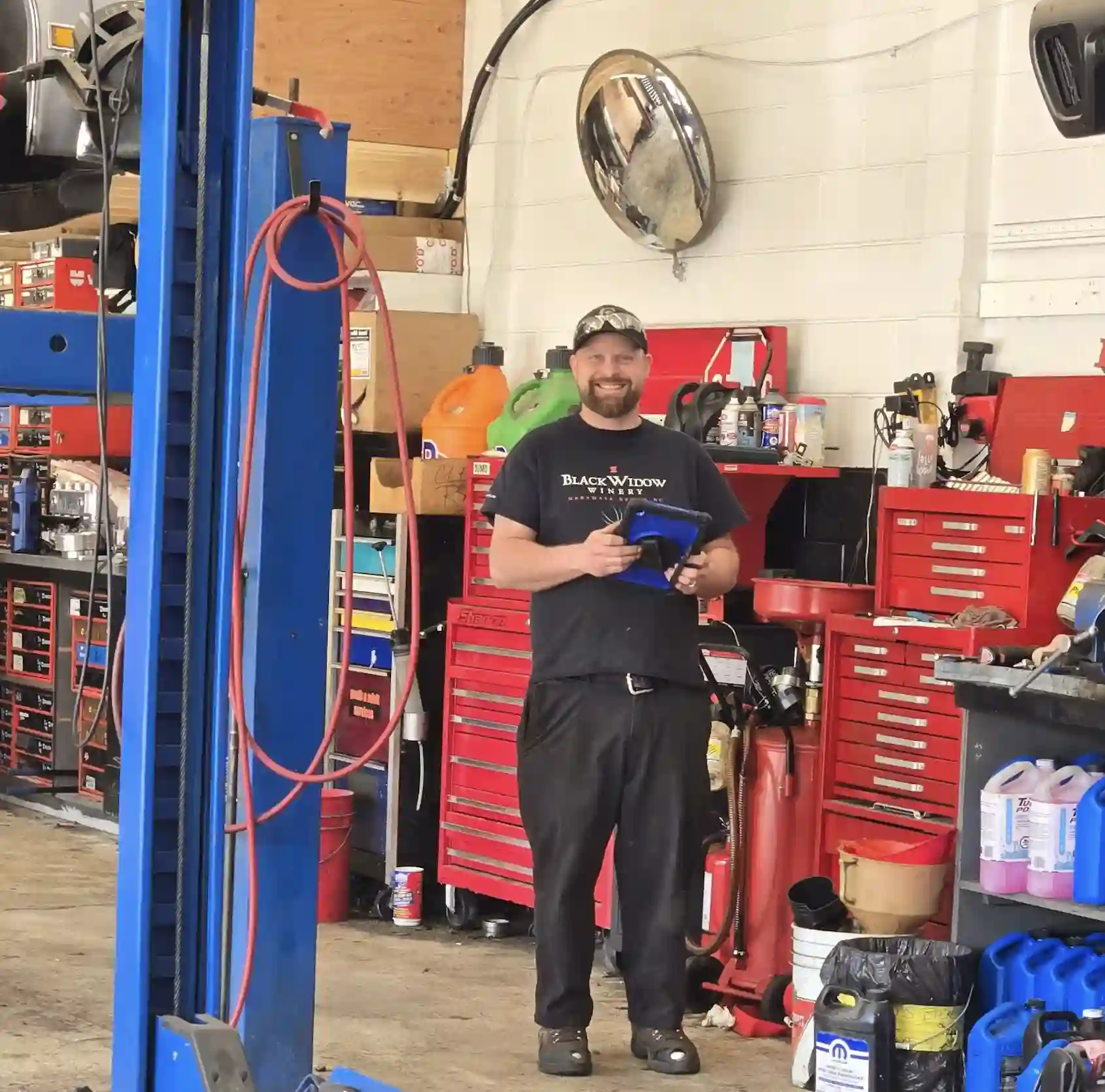
When you bring your vehicle to Brock Auto Centre for a check engine light, here’s our process: we connect our scan tool, pull all stored and pending codes, review freeze frame data, and then perform hands-on testing to confirm the diagnosis. We don’t guess, and we don’t recommend parts you don’t need.
Once we identify the problem, we’ll explain exactly what’s going on, what needs to be fixed, and what it will cost — before we touch anything. That’s how we’ve operated for over 15 years, and it’s why Kamloops drivers keep coming back.
If your check engine light is on and you want straight answers without the runaround, contact us to book a diagnostic appointment. We’ll figure out what’s going on and get you back on the road with confidence.
About the Author: Steve is a co-owner of Brock Auto Centre at 1128 Tranquille Rd in Kamloops, BC. With years of hands-on experience diagnosing and repairing vehicles of all makes and models, he’s committed to giving customers honest answers and fair pricing — no surprises, no unnecessary work.