Key Takeaways
- Disconnecting your car battery without a memory saver can erase radio presets, clock settings, and learned computer data
- Modern vehicles store adaptive transmission, idle, and fuel trim settings that may require relearning after battery replacement
- A memory saver device or secondary power source keeps your settings intact during the swap
- Kamloops winters are especially hard on batteries — most last 3-5 years in our climate
- Professional installation ensures proper torque, terminal cleaning, and system verification
When you disconnect your car battery, you risk losing more than just your radio presets. Modern vehicles store everything from your seat memory positions to learned transmission patterns in volatile memory — and without backup power during car battery replacement in Kamloops, all of that data disappears. I’ve had customers come in frustrated after a DIY battery swap left them with a rough idle, hard-shifting transmission, and a security system that needed dealer-level reprogramming.
Here in the BC Interior, our cold winters and hot summers put serious stress on batteries. At Brock Auto Centre on Tranquille Road, we replace batteries regularly — and we always take steps to preserve your vehicle’s settings. Let me walk you through what’s actually at stake and how we handle it.
What Your Vehicle Actually Loses When the Battery Disconnects
Most drivers know they’ll lose their radio station presets and clock setting. That’s annoying but takes two minutes to fix. The real problems are the settings you can’t see.
Learned Computer Parameters
Your vehicle’s Engine Control Module (ECM) and Transmission Control Module (TCM) constantly adjust to the way you drive. They learn things like idle behaviour, fuel trim values, and shift patterns. These adaptive systems help modern vehicles improve fuel efficiency, reduce emissions, and meet standards supported by Transport Canada and Natural Resources Canada.
When the battery disconnects, these learned values reset to factory defaults. Your vehicle then needs to “relearn” everything — which can take anywhere from 50 to 200 kilometres of mixed driving. During this period, you might notice rough idling, hesitation on acceleration, or firm transmission shifts.
Security and Convenience Features
Many vehicles also lose power window initialization (the one-touch up/down feature stops working), sunroof positioning, and sometimes even anti-theft system calibration. On some European vehicles — particularly BMW, Mercedes, and Audi — losing battery power can trigger security lockouts that require dealer intervention to clear.
How We Preserve Your Settings During Battery Replacement
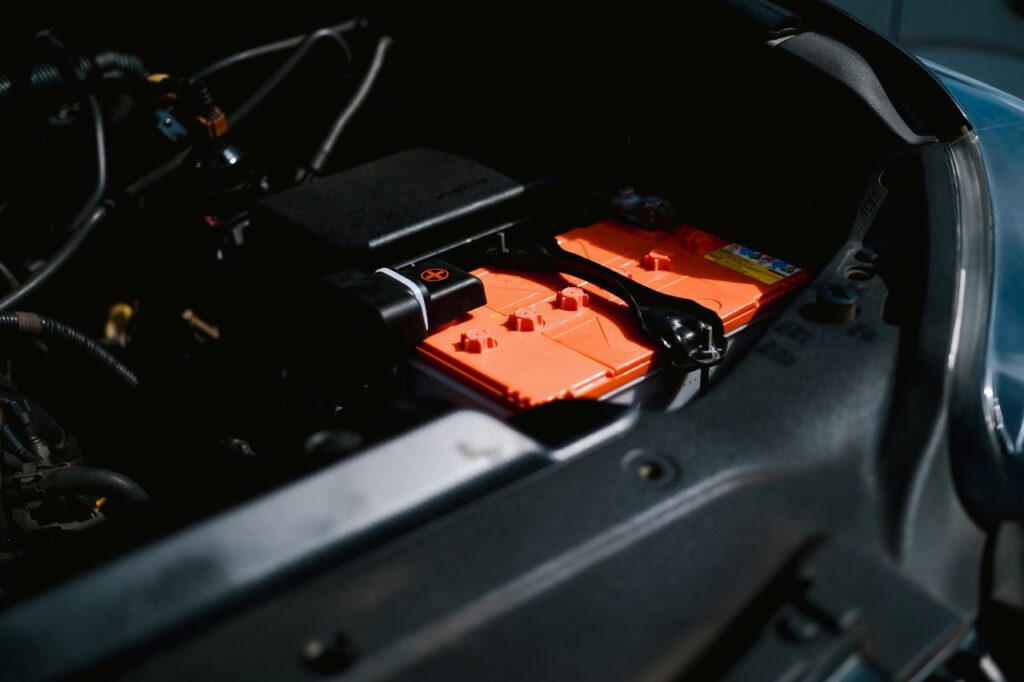
At our shop, we use a memory saver — a small device that provides backup power through your OBD-II port or cigarette lighter while the main battery is disconnected. This maintains just enough voltage (typically 9-12 volts at minimal amperage) to keep your modules powered without risking electrical damage.
The Right Way to Do It
Here’s our process for every electrical and AC service involving battery work:
- Connect the memory saver before touching the battery terminals
- Remove the negative terminal first, then positive
- Clean both terminals and cable ends with a battery brush
- Inspect cables for corrosion, fraying, or damage
- Install the new battery, connecting positive first, then negative
- Torque terminal bolts to manufacturer specifications
- Apply anti-corrosion spray to terminals
- Verify all systems are functioning and settings are intact
The memory saver isn’t expensive equipment, but using it incorrectly can cause problems. If your memory saver draws too much current or you accidentally create a short circuit while the backup is connected, you can damage sensitive electronics. This is one reason many Kamloops drivers bring their vehicles to us rather than doing it themselves.
When DIY Battery Replacement Makes Sense (And When It Doesn’t)
I’ll be straight with you: on some vehicles, replacing the battery yourself is perfectly reasonable. If you’ve got an older truck with a top-mounted battery, basic hand tools, and a memory saver, you can probably handle it.
Vehicles That Should Come to the Shop
Certain vehicles make battery replacement genuinely difficult. Many modern BMWs, some Mercedes models, and even some domestic vehicles like the Dodge Journey have batteries located in the trunk, under the rear seat, or buried under other components. These locations exist for weight distribution and space reasons, but they turn a 20-minute job into a two-hour job.
Additionally, many European vehicles require the new battery to be “registered” with the vehicle’s computer system. This isn’t a cash grab — it’s because the charging system needs to know the battery’s capacity and age to charge it correctly. Without registration, your new battery may not charge properly and could fail prematurely.
If you’re unsure whether your vehicle needs professional battery service, our team can advise you. We’re always honest about what you can handle yourself versus what genuinely requires engine and diagnostic expertise.
Battery Life in Kamloops: What to Expect
The BCAA notes that extreme temperatures are the leading cause of battery failure, and Kamloops delivers both extremes. Our winters regularly hit -20°C, and summer temperatures can push into the high 30s. This thermal cycling wears batteries out faster than in milder coastal climates.
Signs Your Battery Is Failing
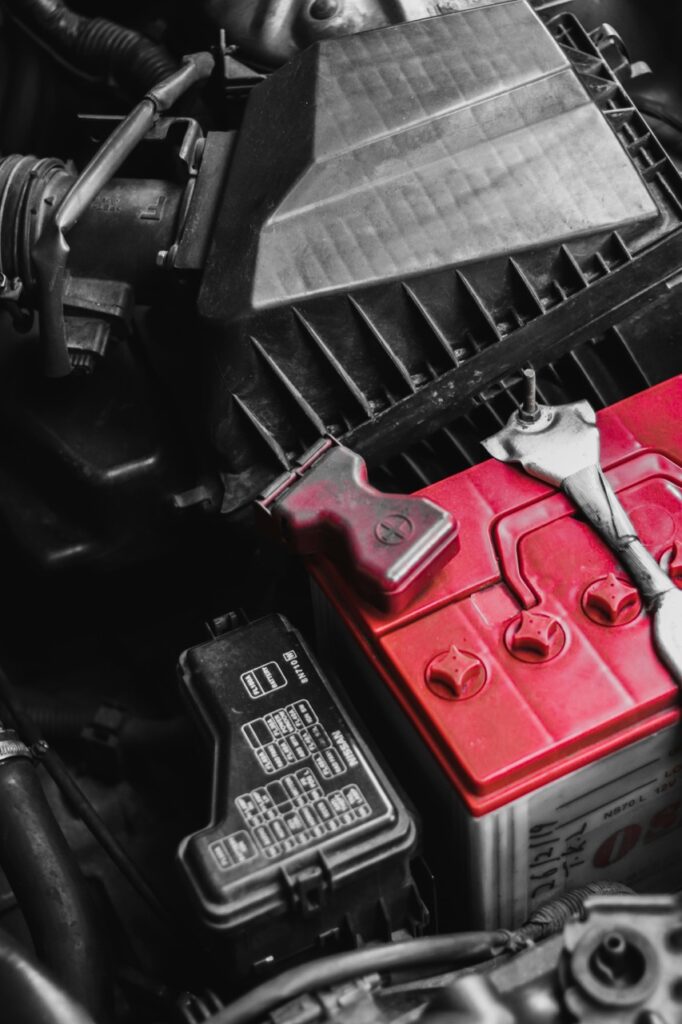
Watch for these warning signs:
- Slow cranking when starting, especially on cold mornings
- Dimming headlights at idle
- Battery warning light on your dashboard
- Needing a jump start more than once
- Battery is more than 4 years old
Most batteries in our climate last 3-5 years. If yours is approaching that age and you’re noticing any symptoms, it’s worth having it tested before you’re stranded in a parking lot during a January cold snap.
What Proper Battery Replacement Costs
Battery prices vary significantly based on your vehicle’s requirements. A standard flooded lead-acid battery for a Honda Civic might run $150-200, while an AGM battery for a vehicle with start-stop technology could be $300-400. European vehicles requiring dealer-level battery registration add additional labour time.
At Brock Auto Centre, we quote you the full price before any work begins — battery cost, labour, and any additional services like terminal cleaning or battery registration. No surprises when you pick up your vehicle.
Get Your Battery Tested Before Winter
If your battery is more than three years old or you’ve noticed any warning signs, don’t wait until you’re stranded. We offer free battery testing — it takes five minutes and tells you exactly where your battery stands. If it’s still healthy, we’ll tell you. If it’s marginal, you can decide whether to replace it now or take your chances.
Ready to have your battery tested or replaced the right way? Contact us at Brock Auto Centre or stop by our shop at 1128 Tranquille Rd. We’ll make sure your new battery goes in properly and all your settings stay exactly where they should be.
About the Author
Steve is a co-owner of Brock Auto Centre in Kamloops, BC, with years of hands-on experience in automotive repair and diagnostics. He believes every customer deserves straight answers about their vehicle — what it needs, what it doesn’t, and what it’ll cost. When he’s not under the hood, he’s usually explaining to customers why their check engine light came on.