Key Takeaways
- Different brake noises can point to very different causes
- A brief squeak after rain or overnight parking can be normal
- Persistent squealing may indicate worn brake pads or brake hardware issues
- Grinding, pulling, or changes in braking performance should be inspected promptly
- Clicking, scraping, and vibration can come from brake components, but sometimes the cause is elsewhere in the vehicle
- A professional brake inspection can identify the problem before unnecessary parts are replaced
Introduction
Your brakes do not always stay completely quiet. A light squeak after your vehicle has been parked overnight may disappear after a few stops, while grinding, clicking, scraping, or vibration can indicate something that needs closer attention.
At Brock Auto Centre, we regularly hear from Kamloops drivers who know their vehicle sounds different but are not sure what the noise means.
The type of sound, when it happens, and what you feel through the brake pedal or steering wheel can provide useful clues.
Here are some of the most common brake noises in Kamloops and what they may mean.
What Does a High-Pitched Brake Squeal Mean?
A high-pitched squeal is one of the most common brake noises.
One possible cause is the brake pad wear indicator. Many brake pads include a small metal indicator designed to contact the rotor when the friction material becomes thin. When this happens, you may hear a consistent squealing sound while braking.
Brake squealing can also be related to:
- Brake dust or road debris
- Brake pad material
- Moisture on the rotors
- Brake hardware or shims
- Uneven brake pad wear
If the squealing only happens during the first few stops after your vehicle has been sitting overnight, it may simply be light surface rust on the rotors.
If the noise happens consistently or becomes louder over time, it is worth having the brakes checked.
For a deeper look at this specific problem, read our guide to squeaky brakes in Kamloops.
What Does a Grinding Brake Noise Mean?
Grinding is more concerning than a light squeak.
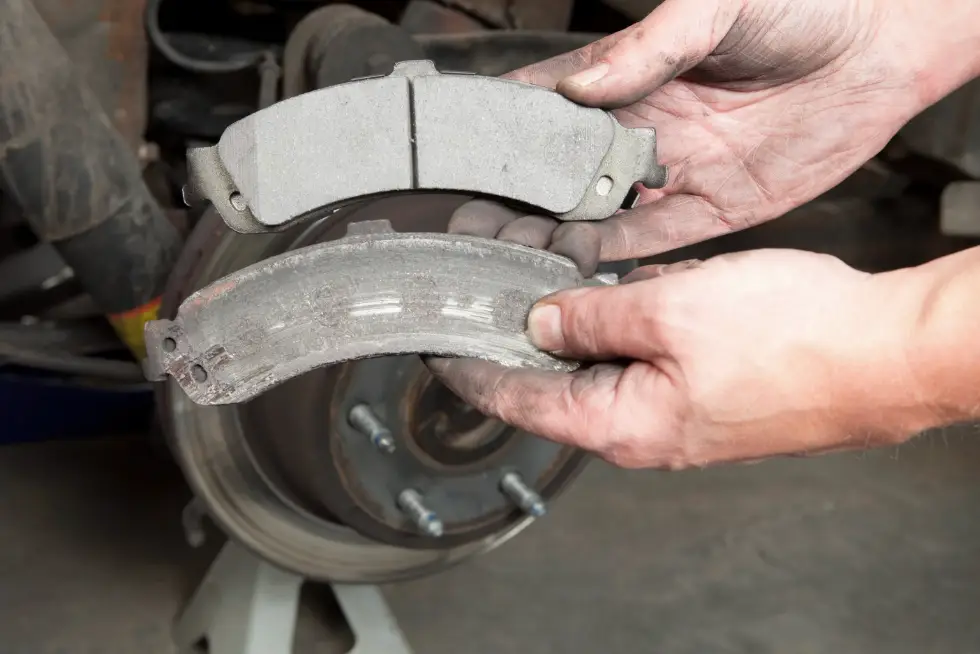
A metallic grinding sound while braking can happen when the brake pad friction material has worn significantly and metal components begin contacting the rotor.
Continuing to drive with this type of brake noise can increase rotor damage and potentially turn a simpler brake pad repair into a larger brake repair.
Grinding can also sometimes be related to:
- Debris caught near the rotor
- Damaged brake hardware
- A sticking caliper
- Severe corrosion
- Other mechanical components near the wheel
If you hear grinding while braking, it is a good idea to have the vehicle inspected promptly.
Why Do My Brakes Click When I Stop?
Clicking is less commonly associated with brake wear, but it can still come from the braking system.
Possible causes include:
- Brake pads moving slightly in the caliper
- Loose or worn brake hardware
- Caliper components that are not moving correctly
- Worn clips, shims, or retaining hardware
However, clicking near the wheels is not always caused by the brakes. Suspension components, CV joints, wheel components, or other parts can sometimes create similar noises.
That is why diagnosing the sound based on noise alone can be difficult.
A technician can inspect the brake assembly and surrounding components to determine where the clicking is actually coming from.
Why Do My Brakes Scrape at Low Speed?
A scraping sound can sometimes appear when driving slowly or lightly applying the brakes.
One common cause is surface corrosion after the vehicle has been sitting, particularly after wet weather.
Other possibilities include:
- Dirt or small debris near the rotor
- Brake dust buildup
- A brake backing plate contacting the rotor
- Uneven brake pad wear
- Rotor corrosion or damage
If the scraping disappears after a few normal stops, it may simply have been light surface buildup.
If it continues, becomes louder, or appears alongside poor braking performance, have it inspected.
What Does a Pulsing Brake Pedal Mean?
If you feel the brake pedal repeatedly pulsing while slowing down, the issue may involve the rotor or another part of the braking system.
Drivers often describe this as:
- Pulsing through the brake pedal
- Shaking while braking
- Steering wheel vibration
- The vehicle feeling uneven as it slows down
Rotor thickness variation or uneven rotor surfaces can contribute to this sensation.
Heavy braking and repeated heating and cooling of the braking system can also contribute to brake vibration over time.
There is one important exception: during hard emergency braking, your ABS system may intentionally create rapid pulsing through the pedal. That is normal ABS operation.
But if you regularly feel vibration during normal braking, it should be inspected.
Why Does My Vehicle Pull to One Side When Braking?
A vehicle that pulls left or right while braking may have uneven braking force between the wheels.
Possible causes include:
- A sticking brake caliper
- Uneven brake pad wear
- Brake hose problems
- Rotor condition
- Tire pressure or tire wear
- Suspension or alignment issues
Because several systems can create a similar symptom, pulling under braking should not automatically be assumed to be a brake pad problem.
Tire condition can also affect braking and vehicle control. According to Transport Canada’s tire safety guidance, properly maintained and correctly inflated tires are important for braking, steering, and the proper operation of safety systems such as ABS and stability control.
At Brock Auto Centre, we can inspect both the braking system and related components to identify the actual cause.
Why Do Brakes Make Noise After Rain or Overnight Parking?
This is one of the more common harmless brake noises.
Brake rotors are made from exposed metal. When your vehicle sits outside in wet or humid conditions, a thin layer of surface rust can form on the rotors.
The next time you drive, the brake pads remove that surface buildup as you stop.
You may hear a temporary:
- Squeak
- Scrape
- Light grinding sound
The noise will often disappear after several normal brake applications.
This is usually different from persistent grinding or squealing that continues throughout your drive.
How Kamloops Driving Conditions Can Affect Brake Noise
Driving conditions around Kamloops can place additional demands on braking systems.
Hills and Steep Roads
Driving downhill requires more braking, which generates additional heat.
Regular trips through hilly areas or mountain routes can increase brake wear compared with driving mainly on flat roads.
Dust and Road Debris
Kamloops can be dry and dusty during the warmer months.
Fine dirt and debris can accumulate around brake components and occasionally contribute to temporary noise.
Winter Conditions
Winter driving brings moisture, road grit, salt, sand, and changing temperatures.
These conditions can contribute to corrosion and buildup around brake components.
Having your brakes inspected during regular maintenance can help identify wear before it becomes a larger issue.
Is It Safe to Drive With Brake Noise?
It depends on the sound and whether the vehicle’s braking performance has changed.
A brief squeak that disappears after several stops is usually very different from grinding, pulling, or a soft brake pedal.
Transport Canada recommends paying attention to changes in braking performance. Its winter vehicle preparation guidance notes that pulling, changes in pedal feel, or unusual squealing or grinding may mean the brakes need repair.
Here is a simple guide:
| Brake Symptom | What to Do |
|---|---|
| Light squeak during the first few stops | Monitor it |
| Squealing that continues every time you brake | Book an inspection |
| Grinding or metal-on-metal noise | Have it inspected promptly |
| Vehicle pulling while braking | Book an inspection |
| Regular vibration during braking | Have the braking system checked |
| Soft or spongy brake pedal | Have the vehicle inspected promptly |
| Reduced braking ability | Stop driving if it is unsafe and have the vehicle serviced |
When braking performance changes, it is safer to have the problem checked rather than trying to diagnose it from the sound alone.
What Does a Brake Inspection Include?
When you bring your vehicle to Brock Auto Centre because of brake noise, we look beyond just the brake pads.
Depending on the symptom, a brake inspection may include checking:
- Brake pad condition — looking at remaining friction material and wear patterns
- Brake rotors — checking condition, surface wear, and thickness
- Brake calipers — making sure they apply and release correctly
- Brake hardware — inspecting clips, shims, slides, and related components
- Brake hoses and lines — checking for deterioration or leaks
- Brake fluid — checking the level and condition
- Tires and suspension — when pulling, vibration, or wheel noise suggests the problem may not be limited to the brakes
The goal is to identify the actual source of the noise before recommending repairs.
Do Squeaky Brakes Always Need New Brake Pads?
No.
Brake noise alone does not automatically mean you need new brake pads.
Squeaking can come from moisture, dust, brake pad material, brake hardware, or normal surface rust.
At the same time, persistent squealing can also be an early warning that the pads are wearing down.
The only reliable way to know is to inspect the brake components and measure their condition.
When Should You Book a Brake Inspection?
Consider having your brakes checked if you notice:
- Persistent squealing
- Grinding or scraping that does not disappear
- Clicking while braking
- Brake pedal vibration
- Steering wheel vibration when slowing down
- Your vehicle pulling while braking
- A soft or unusual brake pedal
- Reduced stopping performance
- A noticeable change in how your brakes sound or feel
Catching brake wear early can help prevent additional damage to related components.
Not Sure What Your Brake Noise Means?
Your vehicle does not need to be completely silent, but changes in brake noise are worth paying attention to.
A temporary squeak after a rainy Kamloops night may be normal. Persistent squealing may indicate wear. Grinding, pulling, vibration, or changes in stopping performance deserve closer attention.
If your vehicle is squeaking, grinding, clicking, scraping, or vibrating when you brake, contact Brock Auto Centre to book an inspection.
Our team can inspect the braking system, explain what is causing the noise, and let you know what actually needs attention.
You can also learn more about our brake and suspension services in Kamloops.
About the Author
Steve is a co-owner of Brock Auto Centre at 1128 Tranquille Rd in Kamloops, BC. With years of hands-on automotive experience, Steve focuses on helping Kamloops drivers understand what is happening with their vehicles and make informed maintenance and repair decisions.