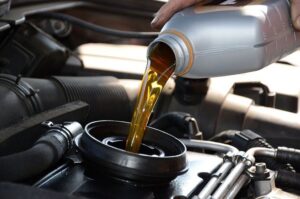
Oil Change Kamloops: How Often Do You Really Need One?

Key Takeaways
- Most modern vehicles need an oil change every 8,000–12,000 km or every 6 months — not the old 5,000 km rule
- Kamloops driving conditions (extreme cold, hot summers, dusty roads) can shorten your oil change interval
- Synthetic oil lasts longer and performs better in BC Interior temperature swings
- Your owner’s manual is the best guide — not a sticker from a quick-lube shop
- Regular oil changes are the cheapest way to prevent expensive engine repairs
The Short Answer on Oil Change Frequency
If you’re searching for an oil change in Kamloops and wondering how often you actually need one, here’s the straight answer: most vehicles built in the last 15 years can go 8,000 to 12,000 km between oil changes when using synthetic oil. That old 5,000 km or 3-month rule? It’s outdated for most modern engines.
But here’s the catch — and this is important for those of us driving in the BC Interior — your driving conditions matter just as much as your odometer. Kamloops throws a lot at your vehicle: -20°C winters, +35°C summers, dusty back roads out to Paul Lake, stop-and-go traffic on Columbia Street. All of that affects how quickly your oil breaks down.
At Brock Auto Centre, we don’t push unnecessary oil changes. We look at your vehicle, your driving habits, and what your manufacturer actually recommends. Then we give you a straight answer.
Why Kamloops Driving Conditions Affect Your Oil

Your engine oil does more than just lubricate — it cleans, cools, and protects internal components from wear. The harder your engine works, the faster that oil degrades.
Temperature Extremes
Kamloops sees some of the biggest temperature swings in British Columbia. Cold starts in January put serious stress on your oil — it thickens and doesn’t flow as easily until the engine warms up. Then in July, that same oil is working overtime to keep things cool when it’s 38°C outside. These extremes break down oil faster than mild-climate driving.
Dust and Debris
Head out to Lac Le Jeune or take a gravel road to a fishing spot, and your air filter (and by extension, your oil) picks up extra contaminants. If you regularly drive on unpaved roads, your oil gets dirtier faster. It’s not a scare tactic — it’s just physics.
Short Trips and Stop-and-Go
If most of your driving is short trips around the North Shore or downtown, your engine rarely reaches full operating temperature. That means moisture and fuel don’t burn off completely, and they end up contaminating your oil. This is what manufacturers call “severe service” driving — and yes, it means more frequent changes.
According to CAA, severe driving conditions can reduce your recommended oil change interval by 30-50%.
Synthetic vs. Conventional Oil: What’s the Real Difference?
This is one of the most common questions we get at the shop. Here’s the breakdown:
Conventional Oil
Refined from crude oil. Works fine in older engines and costs less upfront. Typical interval: 5,000–8,000 km. If you’re driving an older truck that’s already got 300,000 km on it and you’re changing oil frequently anyway, conventional can make sense.
Synthetic Oil
Engineered for better performance across temperature extremes. Flows better in cold weather, resists breakdown in heat, and keeps your engine cleaner. Typical interval: 8,000–12,000 km. Most newer vehicles — especially anything with a turbocharged engine — require full synthetic.
Synthetic Blend
A middle ground. Better protection than conventional at a lower cost than full synthetic. Decent option for high-mileage vehicles that don’t specifically require synthetic.
For Kamloops drivers dealing with our temperature swings, I generally recommend synthetic or synthetic blend for most vehicles. The longer interval usually offsets the higher cost, and your engine gets better protection year-round. When you book your oil change in Kamloops with us, we’ll recommend the right oil for your specific vehicle — not the most expensive option on the shelf.
What Your Owner’s Manual Actually Says
Here’s something quick-lube shops won’t tell you: your vehicle’s manufacturer has already figured out the ideal oil change interval for your engine. It’s in your owner’s manual, and it’s based on extensive testing.
For example:
- Toyota/Lexus: 8,000–16,000 km depending on model and oil type
- Honda: Uses oil life monitoring — typically 8,000–12,000 km
- Ford: 12,000–16,000 km for most EcoBoost engines with synthetic
- GM: Oil life monitor system, often 10,000–15,000 km
If your vehicle has an oil life monitor, trust it. These systems track your driving patterns, temperatures, and engine load to calculate when you actually need fresh oil. That “15% oil life remaining” warning isn’t a suggestion — it’s based on real data from your driving.
Transport Canada recommends following your manufacturer’s maintenance schedule as the baseline for all routine service — including oil changes.
Signs You Need an Oil Change Now
Regardless of mileage, bring your vehicle in if you notice:
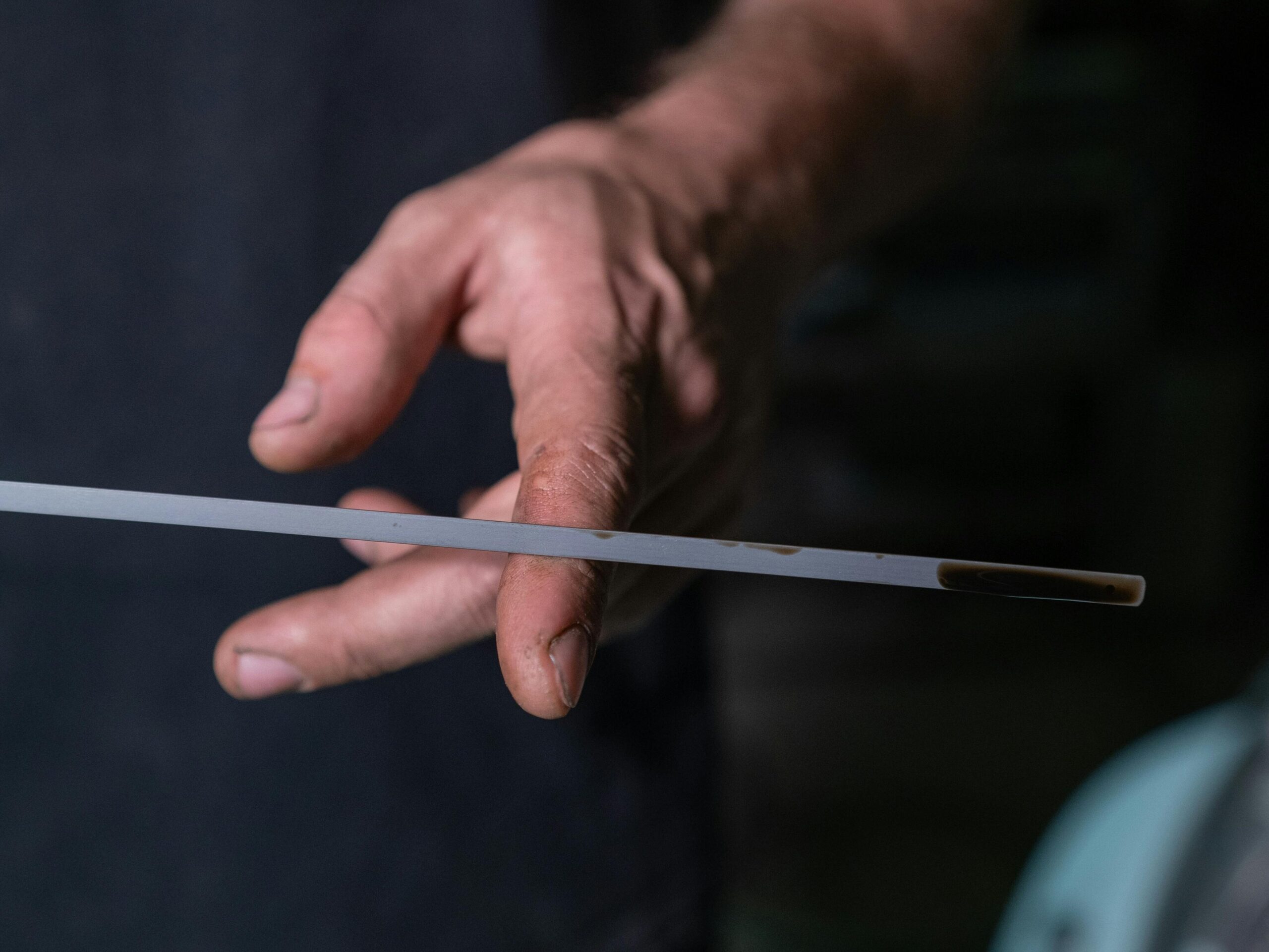
- Dark, gritty oil on the dipstick — fresh oil is amber and translucent
- Oil level dropping between changes — could indicate a leak or consumption issue
- Engine running louder than usual — oil loses its viscosity over time
- Check engine or oil pressure light — don’t ignore this one
- Exhaust smoke — could mean oil is burning where it shouldn’t
If something seems off, it’s worth getting checked. Our team handles everything from routine oil and fluid services to full engine diagnostics — and we’ll always tell you what your vehicle actually needs.
The Bottom Line: Don’t Overpay, Don’t Neglect It
Oil changes are the single most important thing you can do to extend your engine’s life. But you don’t need to do them every 5,000 km unless you’re driving in genuinely severe conditions or your manufacturer specifies it.
For most Kamloops drivers using synthetic oil and doing a mix of city and highway driving, every 8,000–10,000 km or twice a year is a reasonable interval. If you’re towing, driving lots of gravel roads, or making mostly short trips in winter, lean toward the shorter end.
At Brock Auto Centre, we’ve been doing this for over 15 years. We’ll check your oil, tell you honestly whether it needs changing, and never push a service you don’t need. That’s how we’ve built trust with our neighbours here in Kamloops — and it’s how we plan to keep doing business.
Ready to get your oil checked or schedule a change? Contact us at Brock Auto Centre — we’re right here on Tranquille Road and happy to help.
About the Author: Steve is a co-owner of Brock Auto Centre in Kamloops, BC, with years of hands-on experience in vehicle maintenance and repair. He believes in giving customers straight answers and honest service — no upselling, no surprises, just reliable work at a fair price.