Brakes Squeaking in Kamloops? Here Are the 5 Most Common Causes and What to Do About Them
Key Takeaways:
- Not all brake squeaks mean something is wrong — some are completely normal, especially in cold Kamloops mornings
- Worn brake pads are the most common cause of persistent squeaking and should be addressed promptly
- Grinding or metal-on-metal sounds indicate you’ve waited too long and need immediate attention
- Road salt, dust, and moisture from BC Interior conditions can cause temporary brake noise
- A quick brake inspection can tell you whether you’re dealing with a minor issue or a safety concern
The Short Answer: Should You Be Worried?
If your brakes are squeaking in Kamloops, you’re not alone — it’s one of the most common concerns we hear at the shop. The good news? Not every squeak means you need new brakes. The not-so-good news? Some sounds absolutely shouldn’t be ignored.
Here’s the straight truth: brake noise can range from completely harmless to a serious safety issue. The difference often comes down to when the noise happens, how long it lasts, and what kind of sound you’re actually hearing. Living in the BC Interior means your brakes deal with everything from freezing winter mornings to dusty summer roads — and both can affect how your brakes sound.
Let me walk you through the five most common reasons we see brakes squeaking, and I’ll tell you exactly when you should bring your vehicle in versus when you can relax.
1. Morning Moisture and Surface Rust
Why It Happens
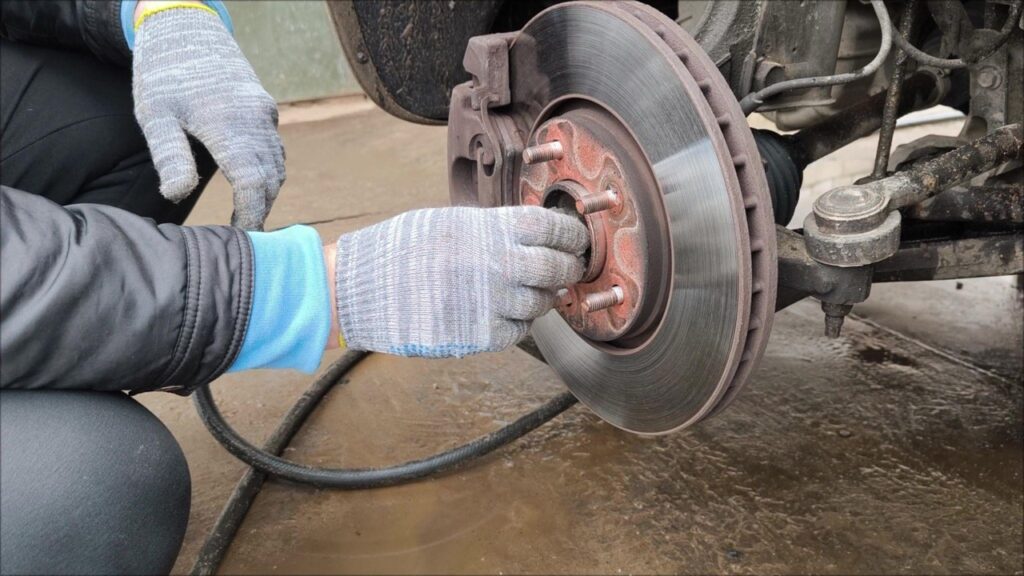
This is the most common cause of brake squeaking that turns out to be nothing to worry about. When your vehicle sits overnight — especially during Kamloops’ colder months — moisture settles on your brake rotors. A thin layer of surface rust forms, and when you first apply the brakes in the morning, you’ll hear a light squeak or grinding sound.
What to Listen For
This type of noise typically goes away after a few brake applications. By the time you’ve driven a kilometre or two, the pads have wiped the rotors clean and the sound disappears. If your brakes sound fine after your vehicle warms up, this is likely the culprit.
No action needed here — it’s just physics doing its thing.
2. Worn Brake Pads — The Built-In Warning System
The Wear Indicator Squeal
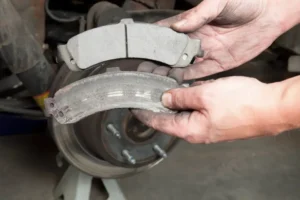
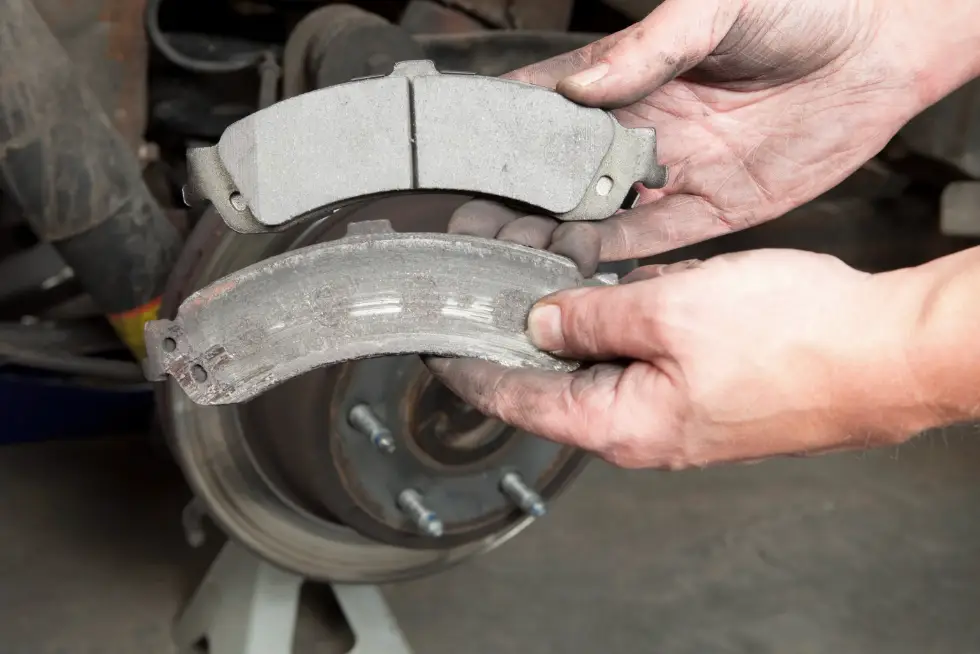
Most modern brake pads have a small metal tab called a wear indicator. When your pads wear down to about 2-3mm of remaining material, this tab makes contact with the rotor and creates a high-pitched squeal. It’s annoying by design — it’s meant to get your attention before you damage your rotors.
When This Becomes Urgent
If you hear a consistent squeak every time you brake (not just in the morning), your pads are likely worn. According to Transport Canada’s vehicle safety guidelines, properly functioning brakes are essential for safe vehicle operation — this isn’t something to put off.
The window between “wear indicator squealing” and “metal grinding on metal” is shorter than most people think. Once you hear that consistent squeak, you’ve got some time, but not unlimited time. If you’re noticing this sound, it’s worth booking a brake inspection to see exactly where your pads stand.
3. Dust, Dirt, and Debris Between Pad and Rotor
The BC Interior Factor
Kamloops roads kick up a lot of dust and grit, especially in summer and early fall. Small particles can get lodged between your brake pad and rotor, causing intermittent squeaking or a light scraping sound. Gravel roads, construction zones, and even just dry conditions contribute to this.
How to Tell the Difference
Debris-related noise is usually inconsistent. It might happen for a few stops, then disappear, then come back. It often sounds more like a scrape than a squeal. In most cases, normal driving clears the debris on its own.
If the noise persists for more than a day or two of regular driving, there may be something else going on.
4. Glazed Brake Pads or Rotors
What Causes Glazing
Glazing happens when brake pads overheat and the friction material hardens and becomes smooth. This can occur from riding your brakes on long downhill stretches — something Kamloops drivers encounter on routes like the Yellowhead Highway or heading down into the valley. It also happens when cheap brake pads are installed.
The Sound and Feel
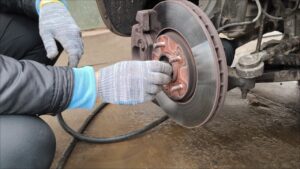
Glazed brakes create a high-pitched squeal and often feel less responsive — like you have to press harder to get the same stopping power. The rotor surface may also appear shiny or have a bluish tint from the heat.
This one needs attention. Glazed pads don’t grip properly, which affects your stopping distance. Sometimes the pads and rotors can be resurfaced, but often replacement is the better long-term solution. We’re always straight with you about which option makes sense for your situation — no unnecessary work, but no cutting corners on safety either.
5. The Sounds You Shouldn’t Ignore: Grinding and Metal-on-Metal
When Squeaking Becomes Grinding
There’s a significant difference between a squeak and a grind. If your brakes make a harsh grinding or growling sound — especially when you press the pedal — the friction material on your pads has worn through completely. You’re now stopping metal backing plate against metal rotor.
Why This Is Serious
At this point, you’re not just replacing pads. You’re likely looking at new rotors too, because the metal-on-metal contact scores and damages the rotor surface. The BCAA recommends addressing brake issues immediately when grinding occurs — your stopping distance increases significantly, and the repair bill grows with every kilometre you drive.
If you’re hearing grinding, don’t wait. This is a safety issue. Bring your vehicle in for a brake inspection right away.
How We Handle Brake Inspections at Brock Auto
When you bring your vehicle to us for brake noise, we do a thorough inspection — not just a quick glance. We measure pad thickness, check rotor condition, inspect calipers and brake lines, and look at the overall health of your braking and suspension system. Then we tell you exactly what we find.
Sometimes that means telling you everything’s fine and sending you on your way. Sometimes it means showing you exactly which components need attention and why. Either way, you’ll know what’s going on before any work begins — that’s just how we operate here on Tranquille Road.
When to Get Your Brakes Checked
Here’s a simple guide:
- Noise only in the morning, goes away quickly: Monitor it, probably just moisture
- Consistent squeaking every time you brake: Schedule an inspection soon
- Grinding or growling sounds: Come in as soon as possible
- Brake pedal feels soft or spongy: Could indicate fluid or caliper issues — don’t delay
- Vehicle pulls to one side when braking: Needs immediate attention
Your brakes are the most important safety system on your vehicle. If you’re unsure about a noise, it’s always worth getting a professional opinion. We’d rather check your brakes and tell you they’re fine than have you worry about a sound that turns out to be nothing.
If your brakes are making noise and you want a straight answer about what’s going on, contact us at Brock Auto Centre to book an inspection. We’ll tell you exactly what your vehicle needs — and what it doesn’t.
About the Author: Steve is a co-owner of Brock Auto Centre in Kamloops, BC, with years of hands-on experience diagnosing and repairing braking systems on all makes and models. He believes every driver deserves honest, clear information about their vehicle — no scare tactics, just the facts.