When Your Car Won’t Start in Kamloops: Is It the Battery or the Alternator?
Key Takeaways
- A dead battery usually means no power at all — no lights, no clicks, nothing. Alternator issues typically show up while driving, not during startup.
- Kamloops winters are brutal on batteries. Cold temperatures can cut your battery’s cranking power by 50% or more.
- If your car starts with a boost but dies shortly after, the alternator is likely the culprit.
- Most batteries last 3-5 years in the BC Interior — less if you do a lot of short trips in cold weather.
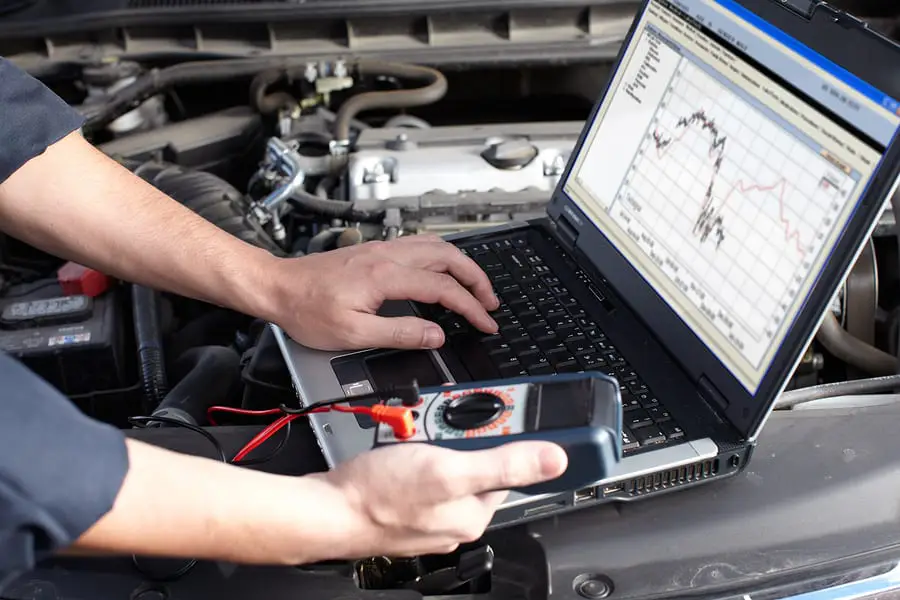
- A simple voltage test can tell you exactly what’s going on. We do this at the shop in about 10 minutes.
If your car won’t start in Kamloops on a cold morning, you’re not alone — and you’re probably wondering whether you need a new battery or if something more serious is going on. The short answer: a completely dead vehicle usually points to the battery, but if you’re getting frequent boosts or noticing dimming lights while driving, your alternator might be failing. Let me break down how to tell the difference so you’re not throwing money at the wrong part.
Here in the BC Interior, we see this constantly from November through March. The temperature drops below -15°C, and suddenly half the neighbourhood is out there with jumper cables. But not every starting problem is a simple battery swap. Sometimes it’s the alternator. Sometimes it’s a parasitic drain. And sometimes it’s a starter motor on its way out. Knowing which is which can save you a lot of frustration — and money.
How Cold Weather Affects Your Battery
Batteries and Kamloops winters don’t get along. Here’s what happens: a fully charged battery loses about 35% of its cranking power at 0°C. Drop that to -20°C, and you’re looking at 50% or more power loss. Meanwhile, your engine oil thickens up and requires more power to turn over. It’s a double hit.
Signs Your Battery Is the Problem
When you turn the key (or press the button) and get absolutely nothing — no dash lights, no clicking, complete silence — that’s usually a dead battery. If you hear a rapid clicking sound but the engine won’t turn over, that’s also pointing to a weak battery that doesn’t have enough juice to engage the starter.
Other battery warning signs include:
- Slow, sluggish cranking that sounds laboured
- Needing a boost more than once in a few weeks
- Battery is more than 4 years old
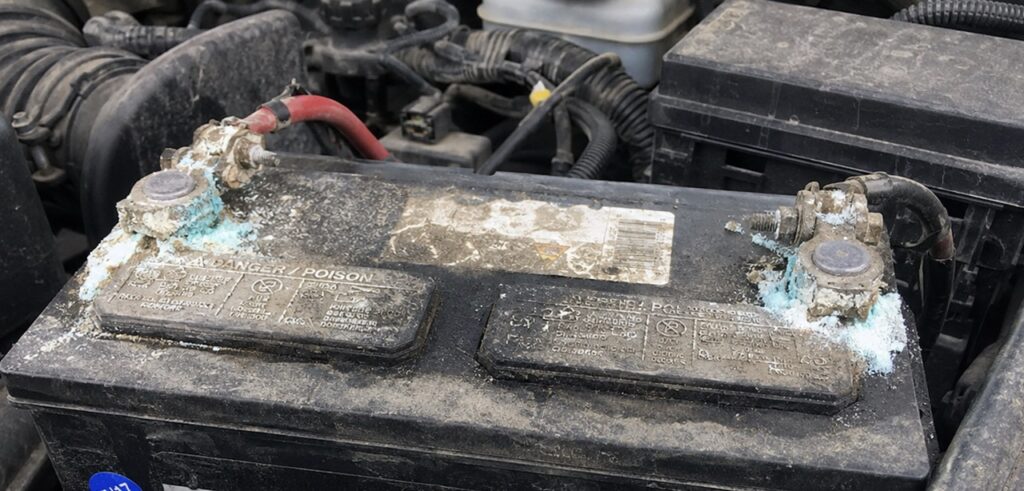
- Visible corrosion on the terminals (that white or greenish crusty buildup)
According to CAA, the average car battery lasts 3-5 years, but extreme temperature swings — like what we get in the Thompson-Okanagan — can shorten that lifespan considerably.
How to Know If It’s Actually the Alternator
Here’s the key difference: a bad battery usually stops you from starting. A bad alternator usually causes problems while you’re driving — and then stops you from starting the next time.
The Alternator’s Job
Your alternator charges the battery while the engine runs and powers all your vehicle’s electrical systems. If it fails, your battery will drain because it’s doing all the work with no way to recharge. Think of it like running your phone with the charger unplugged — eventually it dies.
Signs Your Alternator Is Failing
Watch for these while you’re actually driving:
- Dimming headlights or interior lights, especially at idle
- Battery warning light on the dashboard (that little battery icon)
- Electrical accessories acting strange — radio cutting out, power windows moving slowly
- A burning rubber smell (can indicate a slipping alternator belt)
- Vehicle dies shortly after getting a boost
That last one is the big tell. If you boost your car and it runs fine, then dies 10-15 minutes later, the alternator isn’t charging the battery. The boost got you going, but with no charging happening, you’re running on borrowed time.
A Simple Test You Can Do at Home
If you’ve got a basic multimeter (they’re about $20 at any hardware store), you can check your battery voltage yourself. Here’s how:
With the engine off, touch the multimeter probes to the battery terminals — red to positive, black to negative. A healthy battery should read 12.4-12.7 volts. Below 12.2 volts means it’s partially discharged. Below 12 volts, and it’s essentially dead.
Testing the Charging System
Now start the engine and check again. With the alternator working properly, you should see 13.5-14.5 volts. If it’s still sitting at 12-something, your alternator isn’t charging. If it’s over 15 volts, the voltage regulator may be faulty — that can actually cook your battery and damage electronics.
This basic test tells you a lot, but it doesn’t catch everything. Internal battery cell failure, intermittent alternator issues, or parasitic drains require more specialized testing equipment. That’s when it makes sense to bring it in for proper electrical system diagnostics.
Other Starting Problems to Rule Out
Not every no-start situation is battery or alternator. Here are a few other culprits we see regularly at the shop:
Starter Motor Issues
If you turn the key and hear one loud click but nothing happens, and your lights and dash are working fine, the starter motor might be seized or failing. Starters can also fail intermittently — working fine one day, refusing the next.
Parasitic Drain
This is a sneaky one. Something in your vehicle is drawing power even when it’s parked — maybe a faulty module, a trunk light that stays on, or an aftermarket accessory that wasn’t installed properly. Your battery tests fine, your alternator tests fine, but the battery keeps dying overnight.
Corroded or Loose Connections
Sometimes the fix is embarrassingly simple. Corroded battery terminals or a loose cable can prevent proper current flow. We see this a lot on vehicles that have been sitting or on older trucks with lots of road salt exposure. A good cleaning and proper tightening can solve the whole problem.
If you’re dealing with repeated starting issues, our engine and diagnostics service can pinpoint exactly what’s happening before you start replacing parts.
When to Replace vs. When to Repair
Here’s my honest take after years of working on vehicles in Kamloops:
Batteries: If your battery is over 4 years old and struggling in the cold, replace it before it leaves you stranded. A new quality battery runs $150-250 depending on your vehicle, and that’s a lot cheaper than a tow truck on a -25°C morning.
Alternators: These typically last 150,000-200,000 km, but I’ve seen them fail earlier — especially on vehicles with lots of electrical accessories. Replacement costs vary quite a bit depending on the vehicle. Some are straightforward; others require removing half the engine bay to access.
Starters: Similar lifespan to alternators. If yours is clicking but not engaging, it’s usually not worth rebuilding. Replacement is the way to go.
The good news? All of these are diagnosable. We don’t guess — we test. And we’ll tell you exactly what we find before any work starts.
Get Your Starting Problem Diagnosed Right
If your car won’t start or you’re noticing warning signs, don’t wait until you’re stuck in a parking lot. A 10-minute electrical system test can tell you exactly what shape your battery and alternator are in — and what you can expect from them this winter.
Bring your vehicle by the shop on Tranquille Road or contact us to book an appointment. We’ll give you the straight answer on what’s actually going on and what it’ll take to fix it.
About the Author: Steve is a co-owner of Brock Auto Centre in Kamloops, BC, with years of hands-on experience diagnosing and repairing vehicles of all makes and models. He believes every driver deserves a straight answer about what their vehicle needs — no upselling, no unnecessary work.