Key Takeaways
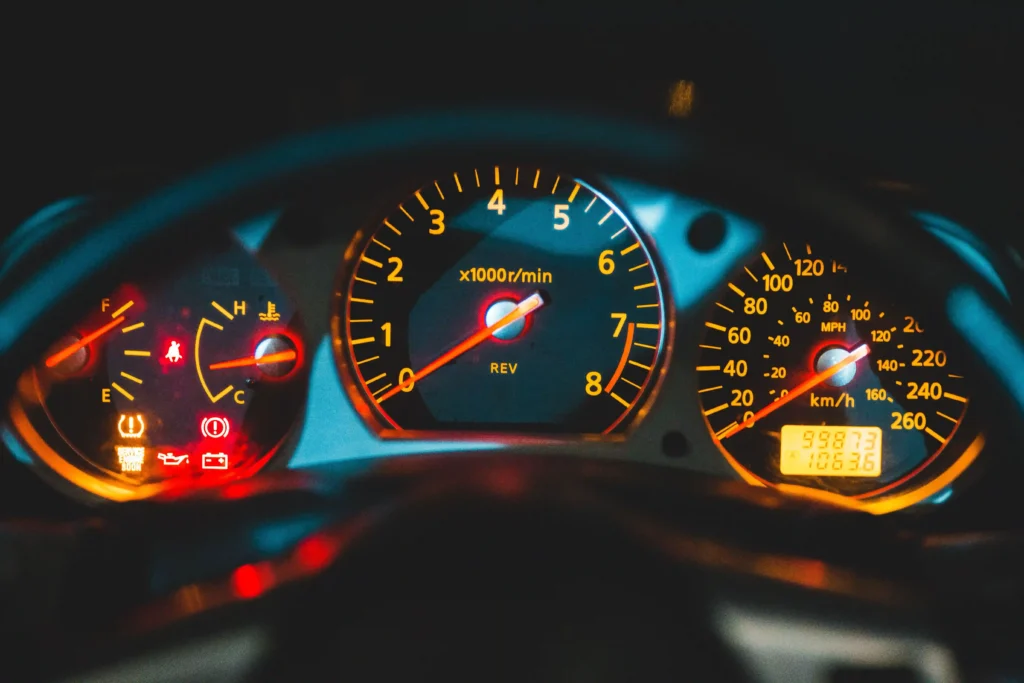
– Your TPMS light often comes on after a tire swap because the sensors need to be relearned or reset to your vehicle’s system.
– If you swap between two sets of wheels (summer and winter), each set may have its own TPMS sensors — or one set may have none at all.
– A TPMS light doesn’t always mean low tire pressure; it can indicate a dead sensor battery, a sensor that wasn’t relearned, or a communication fault.
– Most TPMS sensor batteries last 5-10 years, and they’re not replaceable — the whole sensor gets replaced.
– Driving with the TPMS light on isn’t illegal in BC, but it means you’ve lost an important safety warning system.
Introduction
If your TPMS light came on right after your seasonal tire swap, you’re not alone — it’s one of the most common questions we get at Brock Auto Centre, especially in spring and fall when Kamloops drivers are switching between winter and summer tires. The short answer: in most cases, this isn’t an emergency, but it does need attention.
The tire pressure monitoring system in your vehicle is designed to warn you when a tire drops below safe pressure. But after a tire changeover, the light can come on for reasons that have nothing to do with actual tire pressure. I’ll walk you through what’s actually happening, when you can wait, and when you should bring your vehicle in.
How TPMS Works (and Why Tire Swaps Confuse It)
Most vehicles built after 2007 use direct TPMS sensors — small battery-powered units mounted inside each wheel. Each sensor has a unique ID that your vehicle’s computer learns and monitors.
The Relearn Process
When you swap wheels, your vehicle may not automatically recognize the new sensors. Some vehicles relearn sensors after a few minutes of driving. Others — like many GM, Ford, and Chrysler models — require a manual relearn procedure using a scan tool or a specific sequence of steps.
If the sensors aren’t relearned, your vehicle doesn’t know which sensor is in which position. The TPMS light stays on because the system can’t verify tire pressures properly.
Two Sets of Wheels, Two Sets of Sensors?
Here’s where it gets more complicated for Kamloops drivers who run dedicated winter wheels. If your winter set has TPMS sensors and your summer set does too, each swap requires a relearn. If only one set has sensors — which is common when aftermarket winter wheels are involved — the TPMS light will stay on all winter (or summer) because there are no sensors to read.
We see this constantly during tire and wheel service in Kamloops. It’s not a fault with your vehicle — it’s just how the system works.
Common Reasons the TPMS Light Stays On After a Swap

1. Sensors Weren’t Relearned
This is the most common cause. The swap was done correctly, but the relearn step was skipped. A quick procedure with a TPMS tool usually fixes it.
2. Dead Sensor Battery
TPMS sensors use small internal batteries that eventually wear out. When a sensor stops transmitting, the TPMS warning light may stay on even if the tire pressure is correct. Transport Canada notes that TPMS systems can also show a malfunction warning after tire changes if the system is not reset or if the correct pressure sensors are not installed
3. Damaged or Missing Sensors
Sensors can be damaged during tire mounting if the technician isn’t careful. They can also corrode over time, especially with winter road salt. If you bought aftermarket wheels, they may not have sensors installed at all.
4. Actual Low Tire Pressure
Sometimes the light is doing exactly what it should. After a tire swap, pressure can drop overnight as temperatures fall — especially relevant in Kamloops where we can see 15-degree swings between afternoon and early morning. Check your pressures with a gauge before assuming it’s a sensor issue.
What You Should Do When the Light Comes On
Step 1: Check Your Tire Pressures Manually
Use a quality tire gauge and compare to the placard on your driver’s door jamb. If pressures are correct and the light stays on, move to step 2.
Step 2: Drive for 15-20 Minutes
Some vehicles auto-relearn sensors after driving at highway speed. If the light is still on after a normal drive around Kamloops, it likely needs a manual relearn.
Step 3: Have the System Scanned
A TPMS scan tool can read each sensor, check battery status, and identify which sensor (if any) isn’t communicating. This is the fastest way to know whether you need a relearn, a replacement sensor, or nothing at all.
If you’re also noticing uneven tire wear or the vehicle pulling to one side, it’s worth having your wheel alignment checked in Kamloops at the same time — misalignment and improper tire pressure often show up together.
Should You Just Ignore the TPMS Light?
You can drive with the TPMS light on. It’s not a fail item on BC vehicle inspections, and your vehicle will run fine. But here’s the tradeoff: you’ve lost your early warning system for low tire pressure.
A slow leak that would normally trigger a warning before the tire goes flat? You won’t know until you see the tire visibly low — or worse, until you’re on the side of the Coquihalla. For Kamloops drivers doing highway kilometres, that’s a real risk.
I’d rather see customers get the light sorted out than ignore it. It’s usually a quick fix.
When TPMS Sensors Need Replacement
If your sensors are original and your vehicle is approaching 10 years old, expect to start replacing them. We typically recommend doing all four at once during a tire service — the labour is already done, and if one battery is dead, the others are close behind.
Replacement sensors run $40-$80 each depending on the vehicle, plus programming. It’s not a major expense, and it keeps the system working the way it was designed to.
Conclusion
A TPMS light after a tire swap is usually a relearn issue — not a sign of a bigger problem. But if the light stays on, it’s worth finding out why so you’re not driving blind on tire pressure all season.
If you’re due for a tire swap or your TPMS light has been glowing since last changeover, bring your vehicle by and we’ll get it sorted.
Contact us here to book an appointment
—
About the Author
Steve is one of the owners and lead mechanics at Brock Auto Centre on Tranquille Road in Kamloops. With decades of experience working on everything from daily drivers to fleet vehicles, he believes in fixing problems right the first time — and explaining what’s actually going on under the hood.