BC Vehicle Inspection in Kamloops: What’s Checked and How to Pass the First Time
Key Takeaways
- A BC vehicle inspection covers over 130 safety components including brakes, steering, suspension, lights, and structural integrity
- Common fail points in Kamloops include worn brakes, damaged windshields, and suspension issues from our rough roads
- Inspections are required for out-of-province vehicles, rebuilt titles, and vehicles 2 model years or older being transferred
- A pre-inspection at a trusted shop can save you money by catching issues before your official inspection
- Passing requires all safety systems to meet provincial standards — no exceptions
A BC vehicle inspection checks over 130 safety-related components on your vehicle to ensure it’s roadworthy by provincial standards. If you’re bringing a vehicle into British Columbia, transferring ownership of an older vehicle, or dealing with a rebuilt title here in Kamloops, you’ll need to pass this inspection before you can register and insure it.
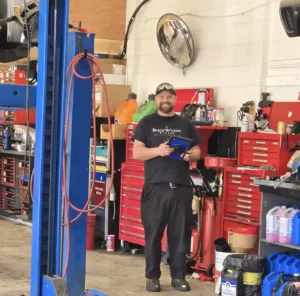
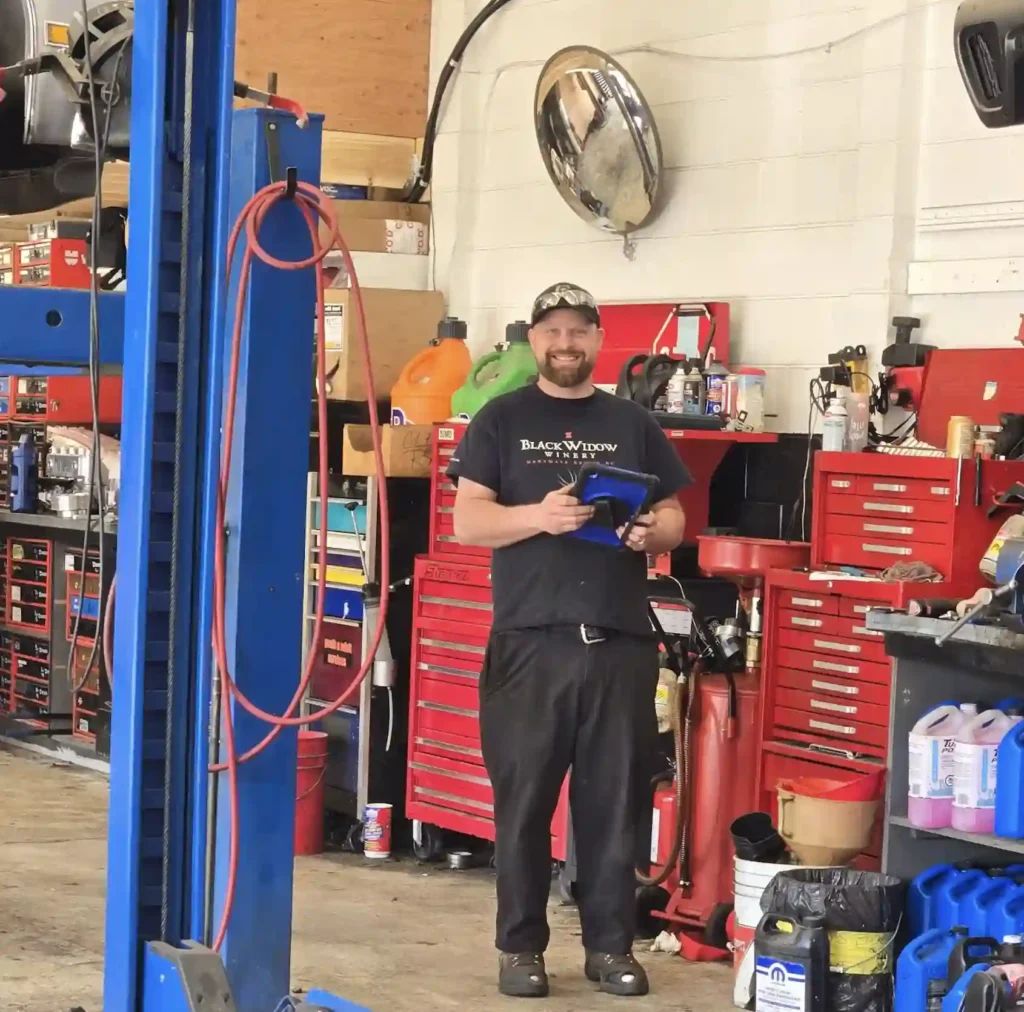
I’ve performed hundreds of these inspections at our shop on Tranquille Road, and I can tell you — there’s no trick to passing. It comes down to having a vehicle that’s genuinely safe to drive. Let me walk you through exactly what’s involved so you know what to expect.
When Do You Need a BC Vehicle Inspection?
Not every vehicle purchase requires an inspection, but many do. Here in Kamloops, I see three main situations that trigger the requirement:
Out-of-Province Vehicles
Bringing a vehicle from Alberta, Ontario, or anywhere outside BC? You’ll need an inspection. This includes vehicles from the United States. The province wants to verify that what passed safety standards elsewhere meets BC requirements.
Ownership Transfers on Older Vehicles
If you’re buying a used vehicle that’s 2 model years old or older from a private seller, an inspection is mandatory. This protects you from inheriting someone else’s safety problems.
Rebuilt or Salvage Titles
Vehicles that have been written off and rebuilt require inspection before returning to the road. These get extra scrutiny for good reason — structural repairs need to be done right.
According to ICBC’s vehicle registration requirements, buyers must register a vehicle within 10 days of purchase, so rebuilt or salvage vehicles should have the required inspections completed before registration.
What Does the Inspection Actually Cover?
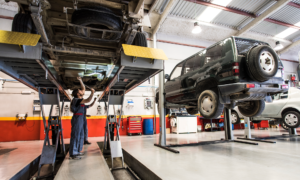
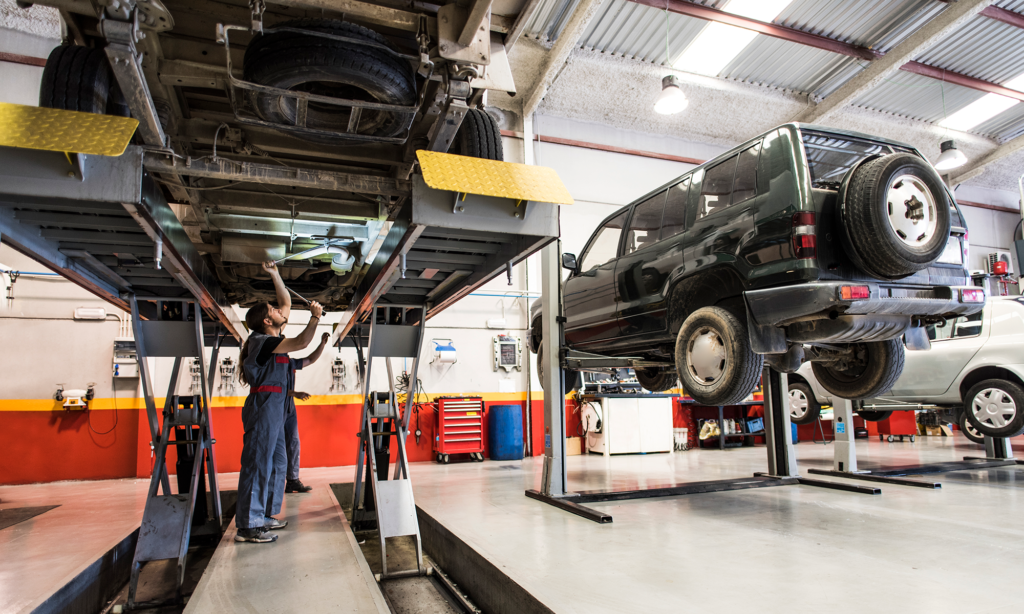
A BC vehicle inspection isn’t a quick once-over. It’s a comprehensive examination of every system that affects safety. Here’s what we check:
Brakes
We measure brake pad and rotor thickness, check for leaks in brake lines, test the parking brake, and verify the brake pedal feel. Your pads need adequate material remaining — we’re talking specific millimeter measurements, not just “looks okay.”
Steering and Suspension
Ball joints, tie rod ends, wheel bearings, shocks, and struts all get examined. In Kamloops, our frost heaves and pothole-riddled roads in spring take a toll on suspension components. I fail more vehicles on worn ball joints than almost anything else.
Lights and Electrical
Every light must work — headlights, taillights, brake lights, turn signals, and marker lights. We also check that headlight aim meets standards. Burnt-out bulbs are an easy fix, but corroded wiring is a bigger issue.
Tires and Wheels
Tread depth must be at least 1.5mm across the entire tire. We check for sidewall damage, proper wheel attachment, and matching tire sizes. Running mismatched tires on an AWD vehicle? That’s a fail.
Glass and Visibility
Windshield cracks in the driver’s sightline will fail. Chips can sometimes pass, but anything that obscures vision or compromises structural integrity won’t. Our BC Interior highways and gravel trucks mean windshield damage is common — get it assessed before your inspection.
Frame and Structure
Rust perforation, collision damage, and improper repairs all get flagged. The vehicle’s structure is its safety cage — compromise there isn’t acceptable.
If your vehicle needs brake or suspension work before inspection, it’s better to know in advance than to pay for a failed inspection and then the repairs.
Common Reasons Vehicles Fail in Kamloops
After years of inspections, I’ve seen patterns. Here’s what trips up most people:
Worn Brake Components
Brake pads under minimum thickness, warped rotors, or soft brake lines. Kamloops drivers put serious demands on brakes — think of the descent down the Coquihalla or navigating our hilly streets in winter.
Suspension Wear
Worn ball joints and tie rod ends are everywhere. Our freeze-thaw cycles and road conditions accelerate wear. A vehicle that drives “fine” can still have components past their safe service life.
Lighting Issues
Beyond burnt bulbs, I see cracked lenses with moisture inside, illegal tinting, and aftermarket lights that don’t meet standards. If you’ve modified your lighting, verify it’s compliant.
Windshield Damage
That crack you’ve been ignoring? It matters now. Anything longer than a business card in the driver’s viewing area typically fails.
Exhaust Leaks
Holes, disconnected pipes, or missing heat shields can all cause failures. Beyond passing inspection, exhaust leaks put carbon monoxide in your cabin — serious safety issue.
How to Pass Your BC Vehicle Inspection the First Time
Here’s my honest advice after doing this work for years:
Get a Pre-Inspection Assessment
Before booking your official inspection, have a shop look the vehicle over. As part of our scheduled maintenance services, we can identify what needs attention before you’re on the clock for the real thing. This is especially smart for out-of-province vehicles where you don’t know the maintenance history.
Address Known Issues First
If you already know the check engine light is on or the brakes are grinding, fix those items before the inspection. You’ll pay for the inspection whether you pass or fail.
Bring Documentation
If you’ve had recent repairs done elsewhere, bring the receipts. If the vehicle has a rebuilt title, any documentation of the repair work helps.
Be Realistic About the Vehicle’s Condition
Some vehicles aren’t worth the repairs needed to pass. If you’re looking at a $500 car that needs $2,000 in work, that’s good information to have before you buy — not after.
The BC Commercial Vehicle Safety and Enforcement branch oversees inspection standards, and they’re straightforward — either the component meets the standard or it doesn’t.
What Happens If You Fail?
A failed inspection isn’t the end of the world. You’ll receive a report listing exactly what failed and why. You then have the choice to repair the vehicle and have it re-inspected.
At Brock Auto Centre, if we perform the inspection and the repairs, we don’t charge you for a full second inspection — we verify our own work is complete. That’s just fair.
Some shops will try to pressure you into repairs the moment you fail. We don’t operate that way. We give you the report, explain what’s needed, and let you decide. No pressure, no scare tactics.
Book Your BC Vehicle Inspection in Kamloops
Whether you’re bringing a vehicle into BC, buying used, or just want to know where your car stands, we’re here to help. We’ll tell you exactly what your vehicle needs to pass — and just as importantly, what it doesn’t need.
Ready to get your inspection scheduled? Contact us at Brock Auto Centre or stop by our shop at 1128 Tranquille Rd. We’ll give you a straight answer and a fair price.
About the Author: Steve is a co-owner of Brock Auto Centre in Kamloops, BC, with years of hands-on experience in vehicle diagnostics, repair, and provincial inspections. He believes every customer deserves honest answers about their vehicle — no upselling, no unnecessary work.