What BC Mechanics Check During a Vehicle Inspection in Kamloops
Key Takeaways
- A vehicle inspection in Kamloops covers brakes, steering, suspension, lights, tires, windshield, and structural components
- Out-of-province vehicles and older used cars require a mandatory inspection before BC registration
- Failed inspections give you time to repair — you do not lose your money or start over
- Kamloops road conditions and BC Interior winters make certain components more likely to fail
- Knowing what inspectors check helps you avoid surprises and unnecessary repeat visits
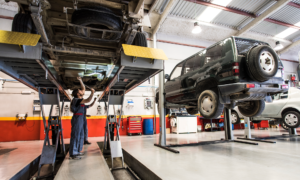
If you need a vehicle inspection in Kamloops — whether you are registering an out-of-province vehicle, buying a used car, or your insurance company is requiring one — you are probably wondering what exactly gets checked. The short answer: everything that affects your safety on the road. Here in the BC Interior, our inspection process follows provincial standards set by the Commercial Vehicle Safety and Enforcement branch, and as a designated inspection facility on Tranquille Road, we see vehicles come through with all kinds of issues.
Let me walk you through what we actually look at, what commonly fails, and how you can avoid surprises when you bring your vehicle in.
Why BC Requires Vehicle Inspections
British Columbia requires inspections in specific situations: when you bring a vehicle in from another province or country, when a vehicle has been rebuilt after a write-off, when transferring ownership of vehicles over a certain age, or when requested by police or ICBC. This is not about generating paperwork — it is about keeping unsafe vehicles off roads that see everything from Coquihalla snowstorms to summer construction zones.
According to CVSE (Commercial Vehicle Safety and Enforcement), designated inspection facilities like ours follow a standardized checklist covering over 130 individual items. We do not make up what passes or fails — the criteria are set provincially, and we apply them consistently.
What I can tell you from years of doing these inspections is that most vehicles pass. The ones that fail usually have obvious problems the owner either did not know about or hoped would slide through. They do not.
The 7 Critical Systems We Inspect
1. Brake System
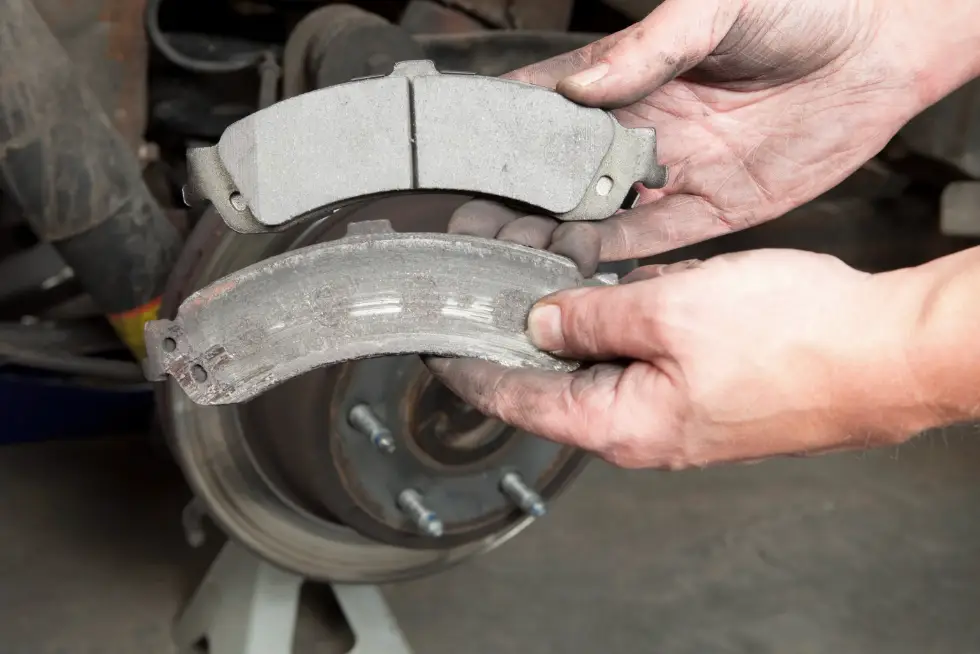
This is where we see the most failures. We measure brake pad thickness, check rotors for scoring and minimum thickness, inspect brake lines for leaks or corrosion, and test the parking brake. Kamloops hills are no joke — if your parking brake does not hold on a grade, that is a fail. We check hydraulic components, master cylinder function, and brake fluid condition. If you are due for brake service in Kamloops, it is better to address it before your inspection than to fail and come back.
2. Steering and Suspension
We check for excessive play in the steering wheel, worn tie rod ends, ball joints, control arm bushings, and shock absorbers. Our Interior roads — with frost heaves, potholes, and gravel shoulders — wear these components faster than city driving. A tie rod with any detectable play fails. Leaking shocks fail. These are not judgement calls; they are measurements.
3. Tires and Wheels
Tires must have at least 3.5mm of tread depth across the entire contact surface. Uneven wear, bulges, exposed cords, or mismatched sizes can all cause failures. We also check wheel bearings for noise and play, and inspect lug nuts for proper torque and thread condition.
4. Lighting and Electrical
Every exterior light must work: headlights (high and low beam), turn signals, brake lights, reverse lights, and marker lights. We check aim on headlights — those Kamloops winter nights need properly aimed lights, not high beams pointing into oncoming traffic. Damaged lenses that affect light output will fail.
5. Windshield and Visibility
Cracks in the driver’s primary viewing area fail. Chips that obstruct vision fail. Wipers that streak or skip fail. Side mirrors must be present and adjustable. If you have been putting off that windshield chip repair, now is the time — small chips often qualify for free repair through ICBC before they spread.
6. Exhaust System
We check for leaks, holes, and proper routing away from the cabin. A rusted-through muffler or exhaust manifold leak is not just noisy — it is a carbon monoxide risk. The exhaust must exit at the rear of the vehicle without leaking into passenger areas.
7. Frame and Structural Components
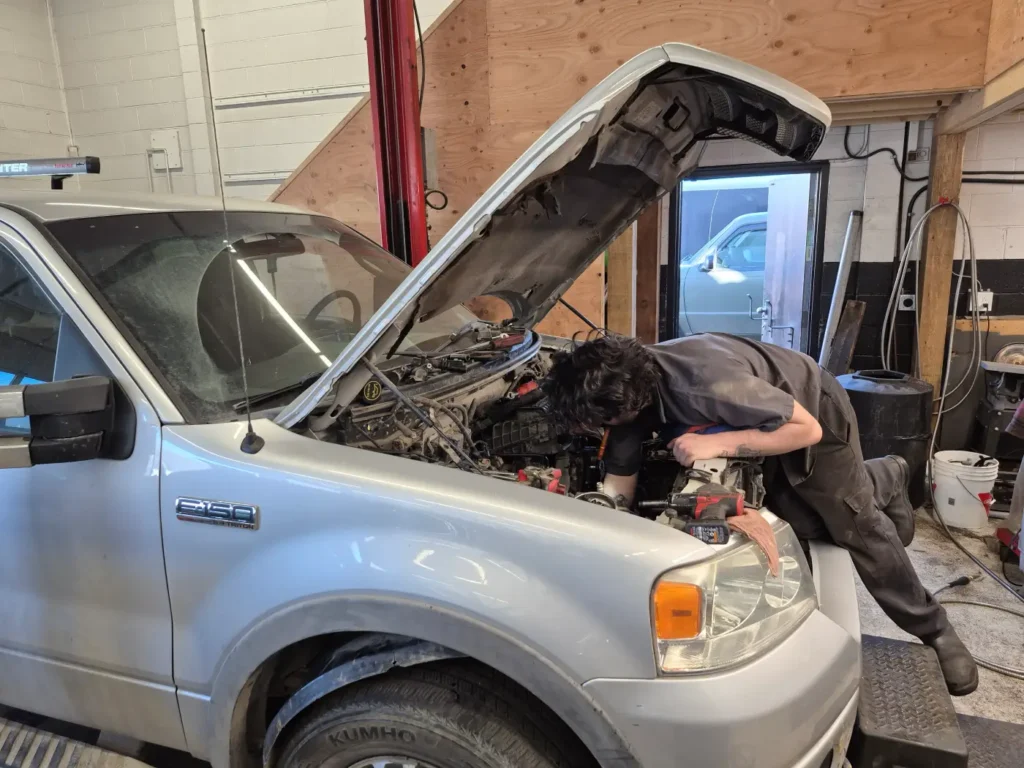
This is especially relevant for out-of-province trucks and older vehicles. We look for rust-through, collision damage, improper repairs, and any structural compromise. Vehicles from provinces that salt roads heavily often have frame corrosion that surprises their owners. A truck that looks fine on top can have serious rust underneath.
What Happens If Your Vehicle Fails?
A failed inspection is not the end of the road. You receive a detailed report listing exactly what failed and why. You then have 30 days to complete repairs and return for a re-inspection. The re-inspection only covers the failed items — you do not pay for a complete inspection again, and you do not start from scratch.
Here is what I tell customers: if something fails, it was going to need fixing anyway. The inspection just identified it. We will give you an honest quote on repairs as part of our scheduled maintenance services, and you can decide whether to have us do the work or take it elsewhere. No pressure, no games.
Some shops try to add unnecessary items to the repair list after a failure. We do not operate that way. If it passed during inspection, it passed — we are not going to suddenly find extra problems to pad a bill.
How to Prepare for Your Kamloops Vehicle Inspection
Before bringing your vehicle in, do a basic walk-around yourself:
- Check that all lights work — have someone watch while you cycle through them
- Look at your tires for obvious wear, bulges, or low tread
- Test your windshield wipers and washer fluid
- Listen for unusual noises from brakes, steering, or suspension
- Check under the vehicle for obvious leaks or hanging components
If you know something is wrong, get it fixed first. Coming in for an inspection with a known problem just means paying for the inspection, then repairs, then a re-inspection. Address issues upfront and you will often save time and money.
Bring your registration documents, and if it is an out-of-province vehicle, bring any paperwork you have about the vehicle’s history. The inspection typically takes 45 minutes to an hour, depending on the vehicle.
Book Your Vehicle Inspection at Brock Auto Centre
Whether you are registering a vehicle from Alberta, bought a used truck locally, or ICBC has requested an inspection, we handle it the same way — thorough, by-the-book, and honest. You will know exactly what we found, what it means, and what your options are.
Ready to get your vehicle inspected? Contact us at Brock Auto Centre to book your appointment. We are at 1128 Tranquille Rd in Kamloops, and we will get you through the process without surprises.
About the Author: Steve is a co-owner of Brock Auto Centre in Kamloops, BC, with years of hands-on experience in vehicle inspections, diagnostics, and repair. He believes every driver deserves straight answers about their vehicle — what it needs, what it does not, and what it will cost.