Key Takeaways
- A transmission fluid flush replaces nearly all of your transmission fluid (90-95%), while a drain and fill only replaces about 30-50%.
- Flushes cost more but are more thorough — drains cost less but may need to be done more frequently.
- Not every vehicle needs a flush. Some manufacturers specifically recommend drain and fill only.
- If your transmission fluid is severely burnt or contaminated, a flush on a high-mileage vehicle can sometimes cause problems.
- The right choice depends on your vehicle’s age, mileage, maintenance history, and what your owner’s manual recommends.
What’s the Difference Between a Transmission Fluid Flush and a Drain?
Here’s the short answer: a transmission fluid flush in Kamloops typically costs more than a drain and fill because it replaces more fluid and takes more time. But that doesn’t automatically make it the better choice for your vehicle.
I get this question a lot at the shop. Someone comes in for a transmission service, and they’ve seen both options priced out — maybe at a quick lube place or another shop — and they want to know what they’re actually getting for their money. Fair question.
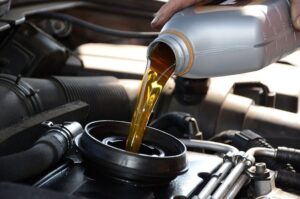
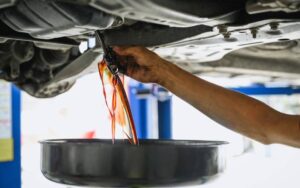
A drain and fill is exactly what it sounds like. We remove the drain plug (or drop the transmission pan), let the old fluid drain out, replace the filter if accessible, and refill with fresh fluid. This replaces roughly 30-50% of your total transmission fluid. The rest stays in the torque converter and cooler lines.
A transmission flush uses a machine to push new fluid through the entire system while the old fluid is pushed out. This replaces 90-95% of the fluid, including what’s in the torque converter. It’s more thorough, but it’s also more expensive — and not every vehicle responds well to it.
When a Transmission Flush Makes Sense
You’ve Kept Up With Regular Maintenance
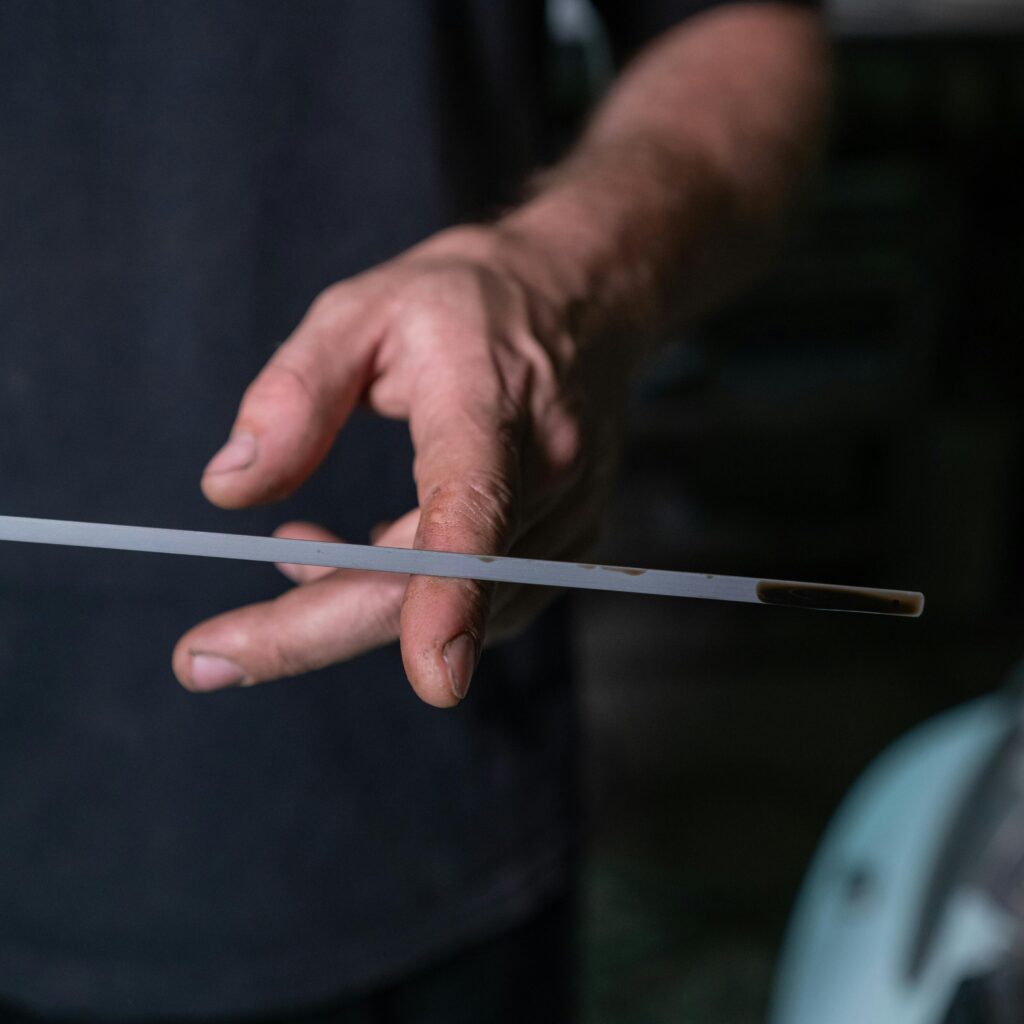
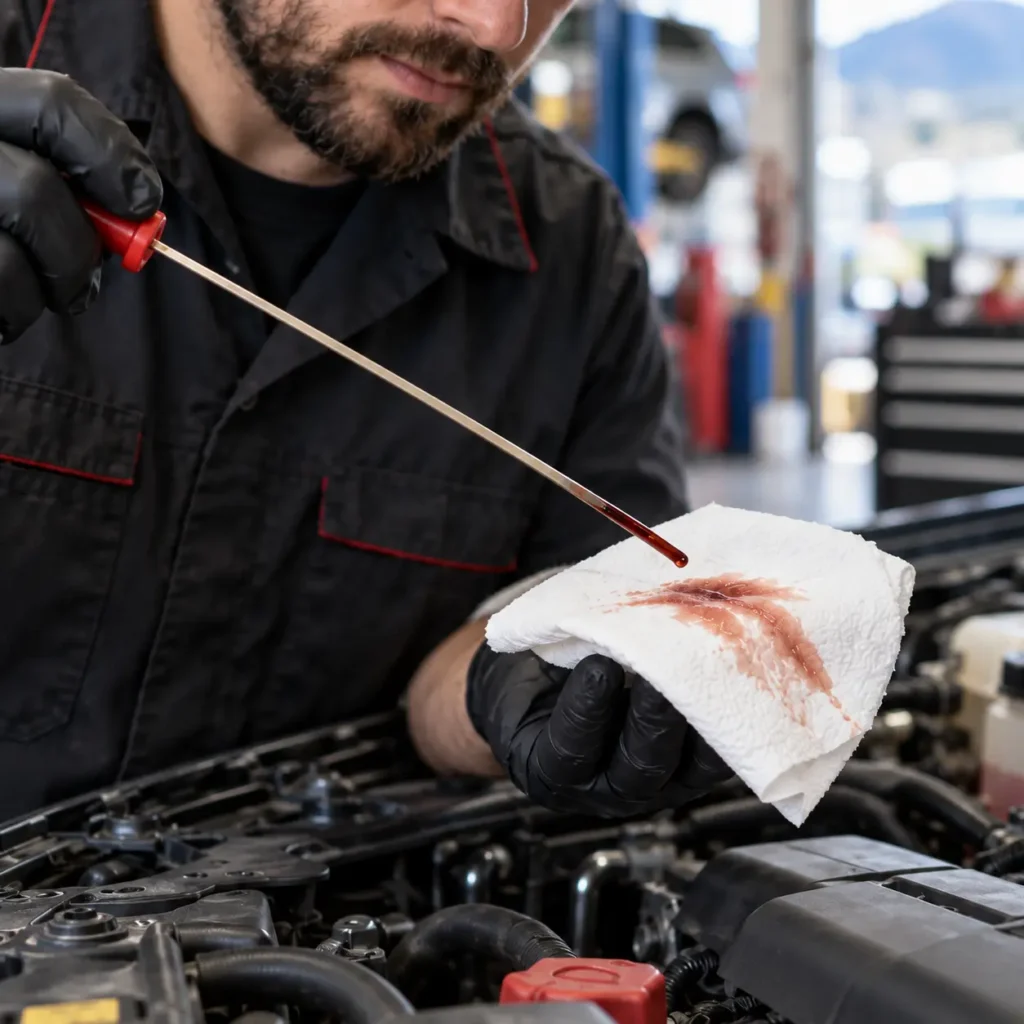
If your transmission fluid has been changed at regular intervals — and it still looks relatively clean (pinkish-red, not brown or burnt) — a flush can be a good way to get all the old fluid out and start fresh. This is especially true around the 60,000 to 100,000 km mark on vehicles that specify flush intervals.
We talk about fluid services as part of scheduled maintenance milestones, and transmission fluid is one of those items that varies a lot by manufacturer. Some vehicles have “lifetime” fluid that’s supposed to never need changing. In my experience, “lifetime” often means “the life of the warranty” — not the life of the transmission.
Your Manufacturer Recommends It
Some manufacturers explicitly recommend a flush procedure. If that’s in your owner’s manual, follow it. We always check the manufacturer specs before recommending one service over another. CAA has a good overview of transmission fluid basics if you want to read more about how different fluids work.
When a Drain and Fill Is the Smarter Choice
High Mileage With Unknown Service History
This is the big one. If you’re driving a vehicle with 180,000+ km and you’re not sure when (or if) the transmission fluid was ever changed, a full flush can sometimes cause problems. Here’s why: over time, clutch material and debris can accumulate in an old transmission. That debris sometimes acts as friction material that the transmission has “learned” to work with. Flushing all of it out at once can upset that balance.
I’m not saying a flush will definitely damage a high-mileage transmission — but I’ve seen it happen. In those cases, I usually recommend a drain and fill. You’re still getting fresh fluid in there, just more gradually. Some shops will do two or three drain-and-fills spaced a few thousand kilometres apart to slowly refresh the fluid without shocking the system.
Your Vehicle’s Design Makes It Practical
Some transmissions are designed with easy-access drain plugs and serviceable filters. Others aren’t. On certain vehicles, a drain and fill with a filter change is exactly what the manufacturer intended. Forcing a flush procedure onto a transmission that wasn’t designed for it doesn’t make sense.
What You’re Actually Paying For
At Brock Auto Centre, when we quote a transmission fluid service, we tell you exactly what’s included. A flush costs more because it uses more fluid (often 12-16 litres versus 4-6 litres for a drain), requires a flush machine, and takes longer.
A drain and fill is less expensive, but you’re replacing less fluid. If your transmission holds 10 litres total and we drain 4, you’ve still got 6 litres of old fluid mixing with the new. That’s not a problem if the old fluid was in decent shape. It is a problem if it was burnt.
What About the Filter?
Not all transmission services include a filter change — and not all transmissions have a serviceable filter. Some filters are internal and require significant disassembly to access. Others are external and easy to replace. We’ll tell you whether your vehicle has a serviceable filter and whether it makes sense to replace it during the service.
How Kamloops Driving Affects Your Transmission
Transmission fluid breaks down faster under stress. Towing, hauling, stop-and-go traffic, and steep grades all increase transmission heat. If you’re regularly driving up to Sun Peaks, hauling a boat to Shuswap, or towing a trailer through the Interior, your transmission works harder than someone doing flat highway commutes.
That means your fluid may need attention sooner than the “normal” interval in your owner’s manual. Most manufacturers list a “severe service” interval that’s significantly shorter — sometimes half the normal interval. Kamloops driving often qualifies.
This is similar to how our local roads affect wheel alignments — the conditions here are harder on vehicles than a lot of drivers realize.
The Bottom Line: Which One Do You Need?
If your vehicle is relatively new, has been well-maintained, and the manufacturer recommends a flush — get the flush. If your vehicle is high-mileage with unknown history, or the manufacturer specifies drain and fill — go with that.
Don’t let anyone pressure you into a flush just because it costs more. And don’t skip transmission service entirely just because the fluid “looks okay.” Transmission repairs are expensive. Fluid changes are not.
If you’re not sure what your vehicle needs, bring it by. We’ll check the fluid condition, look up the manufacturer specs, and give you a straight answer. Contact Brock Auto Centre to book your transmission service or ask us any questions.
About the Author: Steve is one of the owners and experienced mechanics at Brock Auto Centre, located at 1128 Tranquille Rd in Kamloops, BC. He’s been diagnosing and repairing vehicles in the BC Interior for years and believes in giving customers honest information so they can make smart decisions about their vehicles.