Key Takeaways
- Scheduled maintenance at 30K, 60K, and 90K kilometres prevents small issues from becoming expensive repairs
- Each milestone includes specific inspections and fluid changes based on your vehicle’s wear patterns
- Kamloops driving conditions—hills, temperature swings, and dusty summers—can accelerate wear on certain components
- Not every vehicle needs the same services at the same intervals; your owner’s manual is the starting point
- A trustworthy shop will tell you what’s due now versus what can wait
Why Scheduled Maintenance Milestones Matter
Here’s the straight answer: scheduled maintenance in Kamloops isn’t about padding your repair bill—it’s about catching wear before it turns into a breakdown. When you hit 30,000, 60,000, or 90,000 kilometres, your vehicle has accumulated enough use that certain fluids, filters, and components need attention. Skip these intervals, and you’re gambling with reliability.
I’ve been turning wrenches long enough to see what happens when maintenance gets ignored. A $150 transmission fluid change becomes a $4,000 transmission replacement. A $40 air filter swap turns into premature engine wear. These milestones exist because manufacturers know exactly when parts start degrading—and so do we.
Driving in the BC Interior adds extra stress your vehicle doesn’t face in milder climates. Our summer dust, winter cold starts, and those long climbs up the hills around Kamloops all take a toll. That’s why following a proper scheduled maintenance program matters even more here than in a flat, temperate city.
What’s Included in a 30,000 km Service
The 30K service is your vehicle’s first major checkpoint. Think of it as a comprehensive wellness exam after the break-in period.
Fluid Inspections and Changes
At 30,000 kilometres, we’re checking all your fluids—not just oil. Brake fluid absorbs moisture over time, which lowers its boiling point and reduces braking effectiveness. Coolant needs testing for proper freeze protection (critical for Kamloops winters that can drop to -25°C). Power steering fluid and transmission fluid get inspected for contamination or breakdown.
Filters and Breathing Components
Your engine air filter and cabin air filter are typically due for replacement around this interval. A clogged engine air filter restricts airflow and hurts fuel economy. The cabin filter? That’s what keeps dust, pollen, and exhaust fumes out of the air you breathe. After a dusty Kamloops summer, these filters work hard.
Inspection Items
We inspect brake pad thickness, tire wear patterns, battery condition, belts, and hoses. Nothing gets replaced unless it actually needs it—but catching a cracked serpentine belt now can help prevent getting stranded later. Transport Canada recommends following your vehicle’s regular maintenance schedule and having key components inspected to help keep your vehicle in good working condition.
What’s Included in a 60,000 km Service
The 60K service builds on the 30K inspection but adds components that wear over longer intervals. This is where we start looking deeper into your vehicle’s systems.
Spark Plugs and Ignition
Most modern vehicles use iridium or platinum spark plugs rated for 80,000-100,000 kilometres, but some older vehicles or those with standard copper plugs need replacement around 60K. Worn spark plugs cause rough idling, poor fuel economy, and harder starts—something you’ll notice quickly on a cold Kamloops morning in January.
Transmission Service
If your vehicle has an automatic transmission, the 60K mark is often when the fluid and filter need attention. Transmission fluid breaks down from heat cycling, and contaminated fluid causes harsh shifts and premature wear. A proper transmission fluid service can add years to your transmission’s life.
Brake System Review
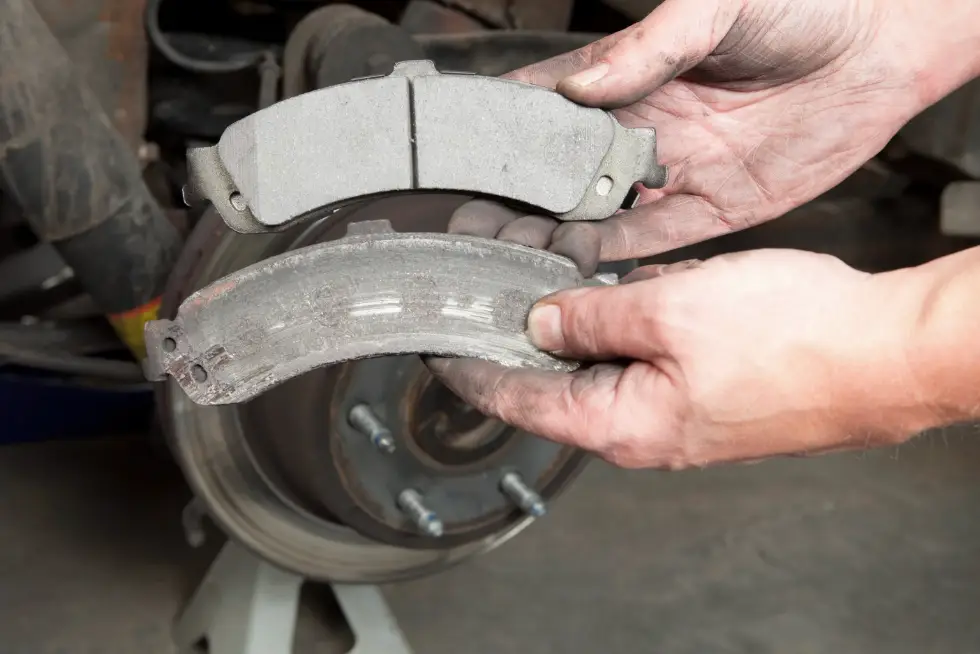
By 60,000 kilometres, many vehicles need brake pads replaced—especially the fronts, which do most of the stopping work. We measure pad thickness and rotor condition. If your rotors are within spec, we won’t tell you they need replacing. If they’re worn or warped, we’ll show you the measurements.
Suspension and Steering
Shocks, struts, tie rod ends, and ball joints get a thorough inspection. These components wear gradually, so you might not notice handling degradation until we point it out. Worn suspension affects tire wear, braking distance, and overall safety.
What’s Included in a 90,000 km Service
The 90K service is the most comprehensive scheduled maintenance milestone. Your vehicle has seen serious use by this point, and several critical components reach their service life.
Timing Belt or Chain Inspection
If your vehicle has a timing belt (common in many Honda, Toyota, Subaru, and Volkswagen models), the 90,000-100,000 km range is replacement territory. A broken timing belt can destroy your engine in seconds—this isn’t something to postpone. Timing chains typically last longer but still need inspection for stretch and wear. BCAA recommends following your vehicle manufacturer’s maintenance schedule for service intervals.
Coolant System Service
A complete coolant flush and fill is standard at 90K. We also inspect the water pump, thermostat, and radiator hoses. Coolant loses its protective additives over time, leading to internal corrosion and potential overheating—not ideal when you’re climbing the hills heading out of Kamloops on a hot August day.
Drive Belts and Accessory Components
Serpentine belts, tensioners, and idler pulleys typically need replacement around this interval. A failing belt can take out your alternator, power steering, and air conditioning in one snap. We check for cracks, glazing, and proper tension.
Comprehensive Brake Service
Rear brakes often need attention by 90K, and brake fluid should be flushed regardless of appearance. Moisture-contaminated brake fluid is a safety issue—it can boil under heavy braking and cause pedal fade. If you’re due for brake service, we’ll go through everything with you before any work begins.
Your Vehicle’s Needs May Vary
These milestones are guidelines, not absolutes. Your specific vehicle, driving habits, and conditions all factor in. Someone doing mostly highway driving puts less stress on brakes than someone navigating Kamloops traffic daily. A vehicle that sits outside in winter works its battery and fluids harder than a garage-kept car.
We always start with your owner’s manual recommendations, then factor in what we see during inspection. Dustin and I built this shop on the principle that you deserve to know exactly what needs doing—and what doesn’t. If something can wait another 10,000 kilometres, we’ll tell you.
Ready to Book Your Scheduled Maintenance?
Whether you’re approaching 30K, 60K, 90K, or anywhere in between, we’re here to help you understand exactly what your vehicle needs. No surprises, no unnecessary work—just honest service from your neighbours on Tranquille Road. Contact us to schedule your appointment and we’ll take care of the rest.
About Steve: Steve is a co-owner of Brock Auto Centre in Kamloops, BC, with years of hands-on experience diagnosing and repairing vehicles of all makes and models. He believes every customer deserves straight answers about their vehicle’s condition—no upselling, no scare tactics, just reliable advice from a mechanic who treats every vehicle like it belongs to a neighbour.