Key Takeaways
- Skipping scheduled maintenance doesn’t save money — it shifts smaller costs into larger repair bills down the road.
- Oil that isn’t changed on time breaks down, loses its protective properties, and causes internal engine wear that’s expensive to fix.
- Transmission fluid, coolant, and brake fluid all degrade over time, even if your vehicle “seems fine.”
- Kamloops road conditions — dust, temperature swings, and hills — put extra stress on components and can accelerate wear.
- A vehicle with documented maintenance history holds its resale value better than one with gaps in service records.
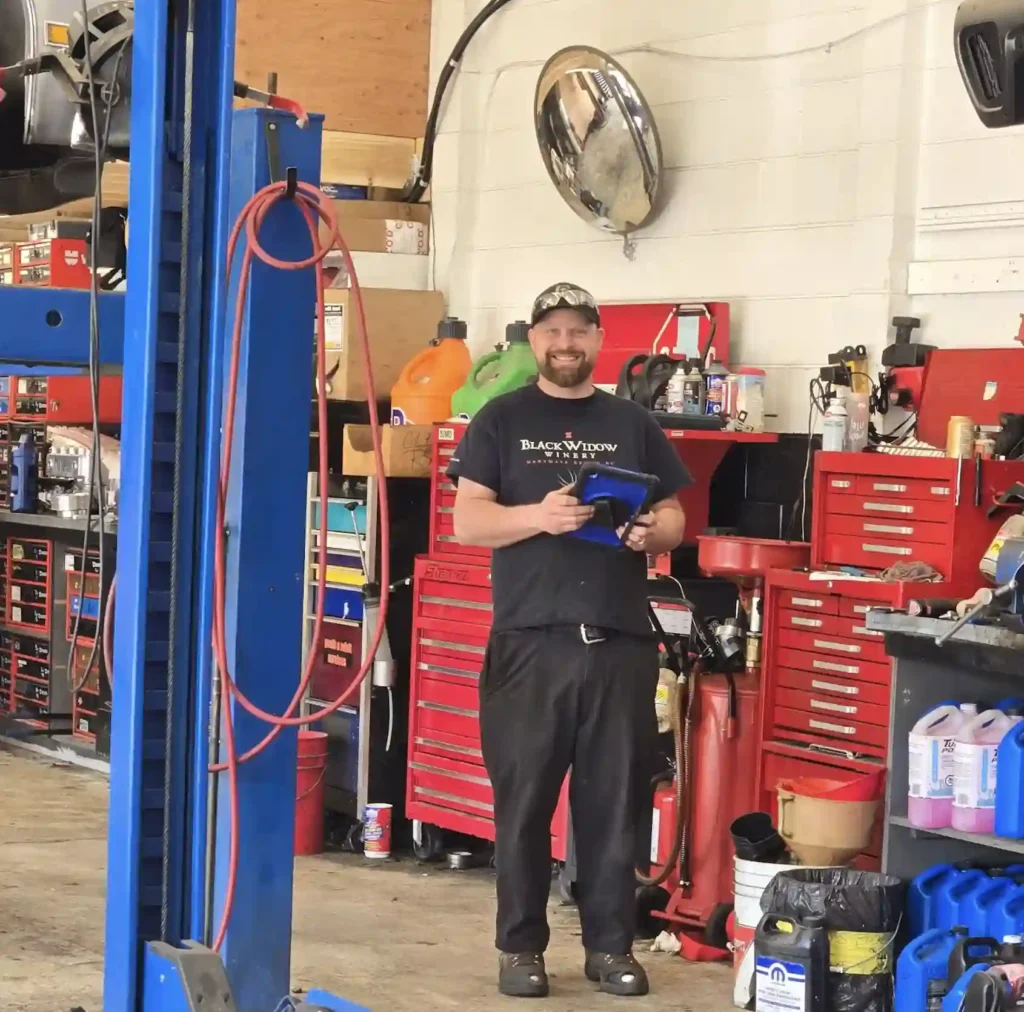
If you skip scheduled maintenance in Kamloops, you’re not avoiding costs — you’re delaying them. And usually, the bill gets bigger while you wait. I’ve been working on vehicles in this city long enough to see what happens when oil changes get pushed back six months, when transmission fluid never gets touched, or when brake inspections get ignored until there’s grinding metal.
Here’s the honest truth: most of the expensive repairs we see at Brock Auto Centre aren’t freak failures. They’re the result of maintenance that got skipped or forgotten. A $90 oil change becomes a $4,000 engine. A $200 brake service becomes warped rotors and seized calipers. I’m not trying to scare anyone — I just want drivers to understand what’s actually at stake.
1. What Skipping Oil Changes Actually Does to Your Engine
Engine oil doesn’t just lubricate. It cools internal components, suspends contaminants, and prevents metal-on-metal contact between moving parts. When oil breaks down — and it does break down — it stops doing all of those jobs effectively.
How Oil Degrades Over Time
Modern synthetic oils last longer than conventional oil, but they still have limits. Heat cycles, combustion byproducts, and moisture contamination all degrade oil over time. Once the oil loses viscosity and its additive package is depleted, it can’t protect your engine properly.
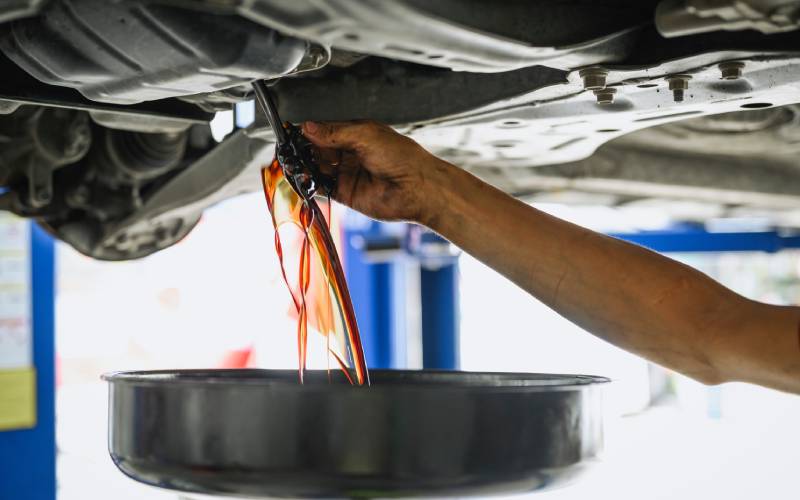
I’ve pulled drain plugs and seen oil come out looking like tar. At that point, the damage is already happening inside. Camshaft lobes wear down. Bearings score. Timing chain guides deteriorate faster. None of this shows up immediately — but it shortens engine life significantly.
The Real Cost of “Saving” on Oil Changes
According to CAA’s maintenance guidelines, following manufacturer-recommended oil change intervals is one of the most effective ways to protect your engine long-term. Most manufacturers recommend somewhere between 8,000 and 12,000 km for synthetic oil, depending on driving conditions. Kamloops summers, dusty roads, and stop-and-go traffic can push you toward the shorter end of that range.
2. Transmission Fluid: The Service Most People Forget
Transmission fluid doesn’t get the same attention as engine oil, but it’s just as critical. Automatic transmissions rely on fluid for hydraulic pressure, lubrication, and cooling. When that fluid breaks down, shift quality suffers first — then internal components start to wear.
What Happens When Fluid Isn’t Changed
Old transmission fluid loses its friction properties and can’t maintain consistent pressure. You might notice delayed shifts, slipping, or a slight shudder when the transmission changes gears. These are early warning signs that the fluid is past its useful life.
If you keep driving, clutch packs wear faster, valve bodies get contaminated, and solenoids can fail. A transmission rebuild or replacement runs anywhere from $3,000 to $6,000 on most vehicles. A fluid exchange? Usually under $250.
When Should You Change Transmission Fluid?
Most manufacturers recommend transmission fluid changes somewhere between 60,000 and 100,000 km. If you tow, drive in hilly terrain (which describes most of Kamloops), or spend a lot of time in traffic, you’re on the shorter end. We cover this in detail in our post on what’s included in 30K, 60K, and 90K services.
3. Brake Fluid, Coolant, and the “Lifetime” Fluid Myth
Some dealerships tell customers certain fluids are “lifetime fill.” In my experience, that usually means “lifetime of the warranty” — not the vehicle. Brake fluid and coolant both degrade, and both cause expensive problems when they’re ignored.
Brake Fluid Absorbs Moisture
Brake fluid is hygroscopic — it absorbs water from the air over time. Once moisture content gets high enough, your brake fluid’s boiling point drops. That can cause brake fade during hard stops or descents, which is a real concern if you’re coming down the hills around Kamloops or heading through the Coquihalla.
Moisture also causes internal corrosion in brake lines, calipers, and the ABS module. We see corroded brake components regularly on vehicles that have never had a brake fluid flush. If you’re noticing unusual brake noises, contaminated fluid is one of the things we check.
Coolant Breaks Down Too
Coolant contains corrosion inhibitors that protect your radiator, water pump, heater core, and engine passages. Those additives deplete over time. Old coolant becomes acidic and starts eating away at gaskets, seals, and aluminum components. A coolant flush every 50,000 to 80,000 km prevents a lot of expensive cooling system failures.
4. How Kamloops Conditions Accelerate Wear
I always tell customers: your maintenance schedule should reflect how you actually drive, not just what’s printed in the owner’s manual. Kamloops throws a few extra challenges at your vehicle that you won’t find in a Vancouver suburb.
Dust, Heat, and Temperature Swings
Summer dust gets into your air filter, cabin filter, and anywhere air flows. Extreme heat accelerates fluid breakdown and puts extra load on your cooling system and AC. Then winter hits, and you’re dealing with cold starts, road salt, and thermal shock.
These conditions are why we recommend staying on top of scheduled maintenance rather than pushing intervals to their maximum. A vehicle driven mostly on highways in mild weather can go longer between services. A vehicle doing daily trips around Kamloops in summer heat? That’s harder use than most people realize.
5. What You’re Really Paying For When You Maintain a Vehicle
Scheduled maintenance isn’t just about avoiding breakdowns — though that’s a big part of it. It’s about catching problems early, keeping repair costs predictable, and protecting your vehicle’s resale value.
Small Problems Caught Early Stay Small
During a routine service, we’re not just changing fluids. We’re inspecting belts, hoses, suspension components, and brake wear. A cracked serpentine belt spotted during an oil change is a $150 repair. That same belt snapping on the highway can leave you stranded and potentially damage other components.
Documentation Matters at Resale
If you ever sell your vehicle, a complete maintenance history adds real value. Buyers — and dealerships — pay more for vehicles with documented service records. Gaps in maintenance history raise red flags and lower offers.
According to Transport Canada, proper vehicle maintenance also plays a direct role in road safety, reducing the likelihood of mechanical failures that contribute to collisions.
The Bottom Line
Skipping scheduled maintenance feels like saving money in the short term. But every time you push back an oil change, ignore a transmission service, or skip a brake inspection, you’re trading a small, predictable cost for a larger, unpredictable one. I’ve seen it happen too many times to sugarcoat it.
If you’re overdue for service — or you’re not sure where your vehicle stands — we’re happy to take a look and give you an honest assessment. No pressure, no upselling. Just a clear picture of what your vehicle actually needs. Get in touch with us at Brock Auto Centre to book an appointment.
About Steve: Steve is one of the owners and lead mechanics at Brock Auto Centre in Kamloops, BC. With decades of experience working on everything from daily drivers to work trucks, he believes in honest diagnostics, transparent pricing, and helping Kamloops drivers get the most life out of their vehicles.